



The Pebble Revival: Navigating Trust and Hardware Reliability
When Eric Migicovsky spearheaded the resurrection of the iconic Pebble brand last year, he wasn’t just bringing back a piece of wearable tech history; he was attempting to rebuild a community-driven ecosystem. However, as the new generation of e-paper smartwatches reaches the wrists of early adopters, a significant point of friction has emerged: the company’s remarkably brief 30-day warranty.
### The Currency of Consumer Confidence
In a recent discussion regarding the brand’s comeback, Migicovsky emphasized that the foundation of this project rests entirely on consumer faith. He argues that for a niche, enthusiast-led hardware venture to succeed, buyers must look beyond the fine print and place their confidence in the team behind the product.
“Ultimately, it comes down to trust,” Migicovsky noted. “Do our users believe in the vision we are executing, and do they trust the people working to keep this platform alive?” While this sentiment is noble, it highlights the tension between the “startup spirit” of the new Pebble and the expectations of modern consumers who are accustomed to the standard one-year warranties offered by tech giants like Apple or Garmin.
### Warranty Concerns vs. Real-World Durability
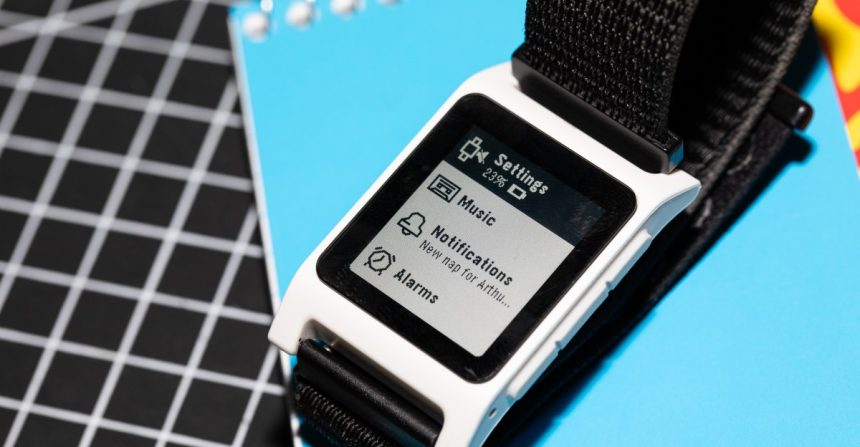
The 30-day coverage window has become a flashpoint for potential buyers. To put this into perspective, the battery life of the new Pebble Time 2 is so efficient that a user could theoretically go through their entire warranty period without ever needing to plug the device into a charger.
This short window is particularly concerning given that some users have already reported premature hardware failures. For instance, there have been documented instances of the front glass on the Pebble Time 2 cracking under normal usage conditions. When a device’s protection expires before the user has even fully integrated it into their daily routine, the “trust” Migicovsky speaks of is put to a rigorous test.
### Balancing Nostalgia with Modern Standards
The appeal of the new Pebble-which retains the beloved aesthetic of the original 2016 models while integrating modern internal components and larger, crisper e-paper displays-is undeniable. For many, the allure of the Pebble Round 2 is enough to overlook the risks. Yet, as the brand matures, it faces a critical challenge: can it maintain its grassroots, open-source ethos while providing the level of hardware reliability that customers demand in 2025?
For now, the community remains divided. While many are eager to support the revival of a beloved platform, the combination of early hardware reports and a restrictive warranty policy suggests that the company will need to be exceptionally proactive in its customer support to maintain the goodwill it has worked so hard to earn.


![[Interview] Corren Cavini Talks Purified And Inspiration Through Vulnerability](https://www.mixtv1.com/wp-content/uploads/2026/09/27884-attachment.jpg)