




Beyond the Pro Max: Exploring the Ultra-Slim iPhone Air
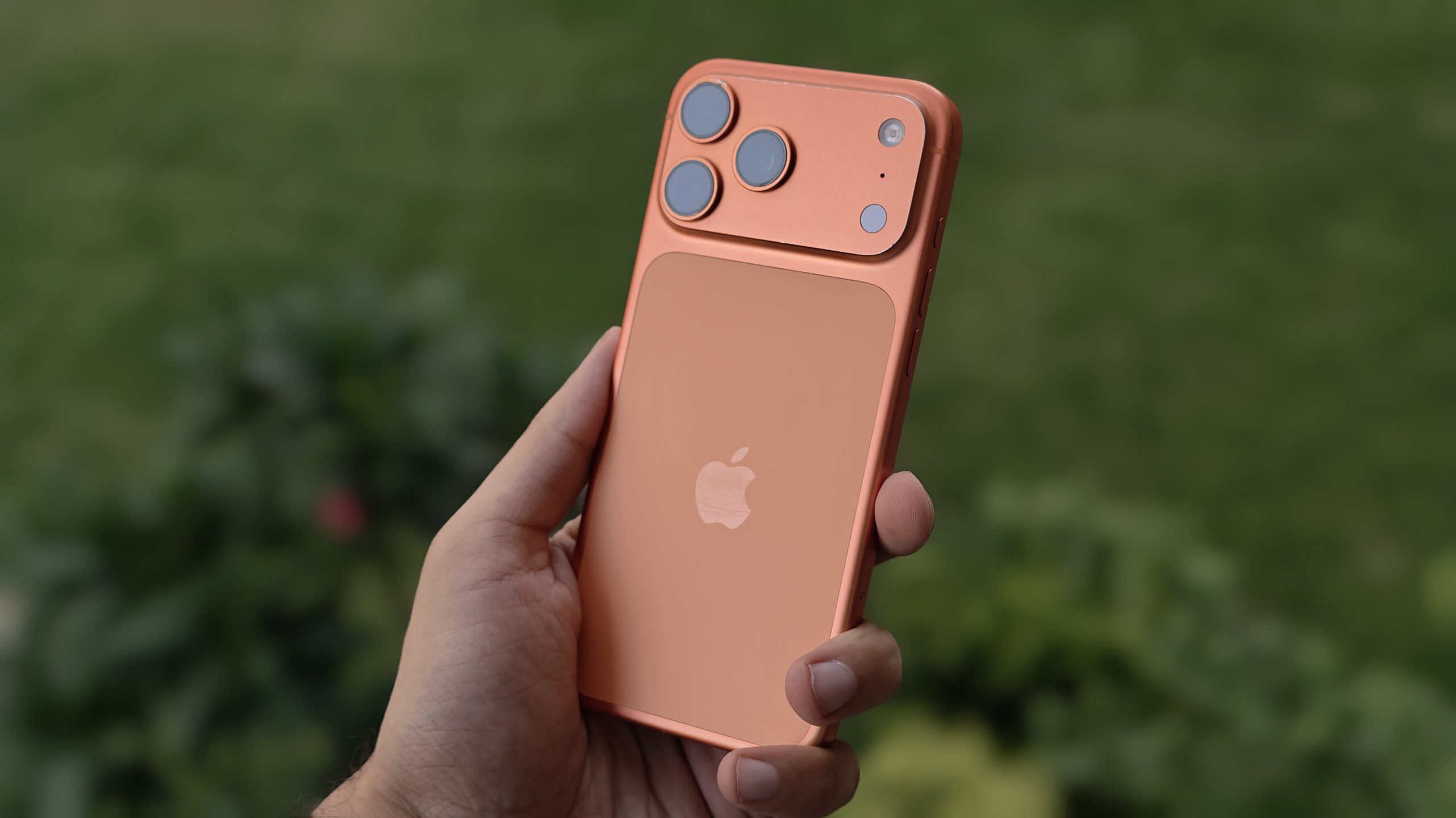
While recent market discussions have heavily favored the iPhone 17e and 17 Pro Max, as noted in our previous coverage, there is a compelling alternative currently capturing attention: the iPhone Air. This device represents a radical departure from the “bigger is better” philosophy, prioritizing ergonomics and aesthetic minimalism above all else.
Design Philosophy and Performance Specs
The iPhone Air is a masterclass in industrial design, boasting an incredibly svelte 5.6mm profile and a featherlight 165g chassis. To ensure this slender frame doesn’t compromise structural integrity, Apple has utilized a high-grade titanium housing. Under the hood, the device is far from underpowered; it houses the cutting-edge Apple A19 Pro chipset, paired with a vibrant 6.5-inch LTPO display. However, this focus on portability comes with trade-offs: the camera system is streamlined to a single 48MP (1/1.56”) sensor, and the internal space constraints limit the battery to 3,149mAh. In our testing, this resulted in an Active Use Score of 12:44h, which is respectable but highlights the limitations of such a compact power cell.
Comparing the Competition: The Google Pixel 10 Approach
When placed side-by-side with the Google Pixel 10, the difference in design philosophy becomes stark. The Pixel 10 features a 6.3-inch display, yet it feels significantly more substantial in the hand, measuring 8.6mm in thickness and weighing 204g. While this extra bulk allows for a much larger 4,970mAh battery, the real-world longevity tells a different story. Due to the thermal and power efficiency challenges associated with the Tensor G5 chipset, the Pixel 10 actually trails the iPhone Air slightly, managing an Active Use Score of 12:08h.
Budget-Conscious Alternatives
For users who prioritize value over the latest flagship silicon, the Google Pixel 10a remains a relevant contender. It maintains the familiar 6.3-inch form factor found in the standard Pixel 10 but opts for the previous-generation Tensor G4 chipset to keep costs down. This makes it a practical choice for those who want the Google software experience without the premium price tag of the latest hardware.