



Unveiling the Celestial Wonders of Oregon’s High Desert
Far removed from the intrusive glow of urban development, the vast, arid landscapes of Oregon’s interior offer a rare sanctuary for those who look to the heavens. This region has recently gained international recognition as a premier destination for stargazing, providing a pristine canvas where the cosmos reveals itself in breathtaking clarity.
A Sanctuary for Stargazers
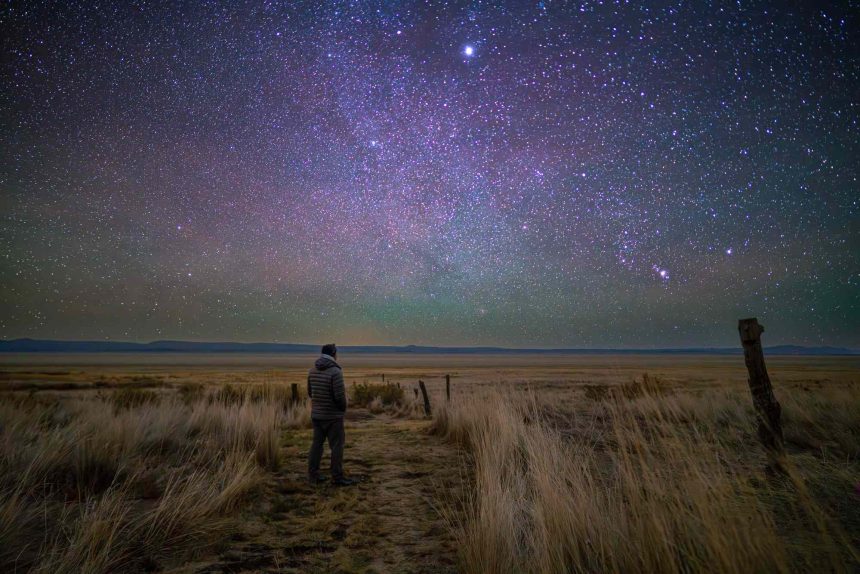
The designation of the Oregon Outback as an International Dark Sky Sanctuary is a testament to the region’s commitment to preserving its natural nocturnal environment. Unlike metropolitan areas where light pollution obscures all but the brightest celestial bodies, this remote expanse maintains an exceptionally low Bortle scale rating. This allows visitors to witness the Milky Way with such intensity that it casts shadows on the ground-a phenomenon rarely experienced in the modern world.
Why the Outback is a Global Phenomenon
Recent data from the International Dark-Sky Association highlights that over 80% of the global population lives under light-polluted skies. By contrast, the Oregon Outback encompasses over 2.5 million acres of protected darkness. This makes it one of the largest contiguous dark sky areas in the United States.
For amateur astronomers and casual observers alike, the experience is transformative. The lack of atmospheric interference means that deep-sky objects, such as the Andromeda Galaxy or the Orion Nebula, can often be discerned with the naked eye or basic binoculars, rather than requiring high-end telescopic equipment.
Planning Your Celestial Expedition
To make the most of a visit to this high-desert wilderness, timing is essential. The best viewing opportunities occur during the “new moon” phase, when the lunar glow is at its minimum.
* Pack for Extremes: Even in the height of summer, high-desert temperatures can plummet once the sun sets. Layered clothing is vital for comfort during long nights of observation.
* Respect the Landscape: As a protected area, it is crucial to practice “Leave No Trace” principles. Ensure that any artificial light used is red-filtered to preserve your night vision and minimize disruption to local nocturnal wildlife.
* Strategic Positioning: Seek out elevated plateaus or open basins away from major transit corridors to ensure a 360-degree horizon view.
As light pollution continues to encroach upon our natural world, these pockets of darkness serve as vital reminders of our connection to the universe. Whether you are a seasoned astrophotographer or simply someone seeking a moment of profound silence beneath the stars, the Oregon Outback offers an unparalleled window into the infinite.