




# The Hidden Gem of Northern Spain: Why Asturias Remains Unrivaled
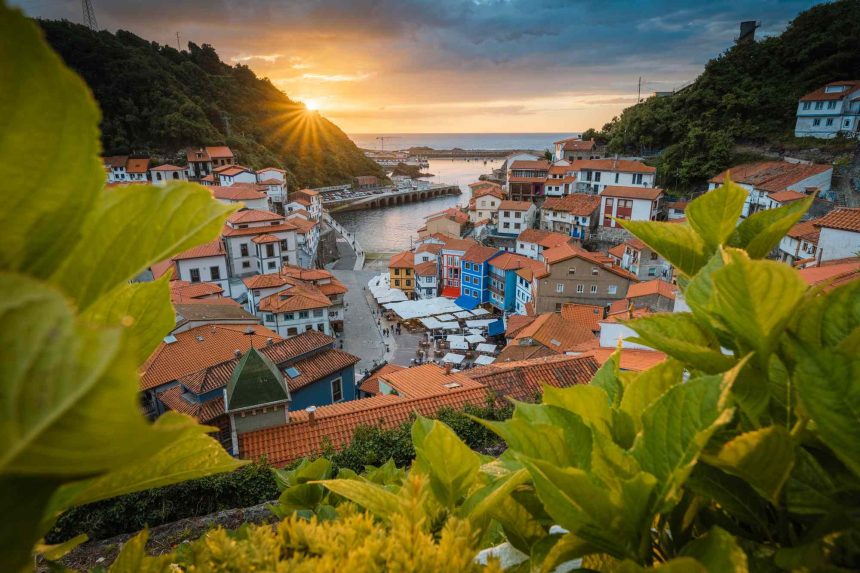
For seasoned travelers who have spent years traversing the Iberian Peninsula, the search for a destination that feels truly untouched often leads to a dead end. Yet, one region consistently defies the trend of over-tourism: Asturias. Tucked away along the rugged northern coastline, this autonomous community offers a rare glimpse into a Spain that prioritizes heritage, environmental preservation, and culinary excellence over mass-market appeal.
## A Sanctuary of Untamed Landscapes
While the Mediterranean coast is often defined by high-rise resorts and crowded boardwalks, Asturias is defined by its dramatic topography. The region is home to the Picos de Europa National Park, a limestone massif that serves as a sanctuary for biodiversity. Recent environmental reports indicate that the region maintains one of the highest percentages of protected land in Europe, ensuring that its emerald valleys and jagged peaks remain pristine. Unlike the arid plains of the south, Asturias offers a lush, alpine-meets-ocean aesthetic that feels more akin to the landscapes of Ireland or the Pacific Northwest than the typical Spanish postcard.
## Culinary Traditions Beyond the Tapas Trail
Asturian gastronomy is a testament to the region’s isolation and self-sufficiency. Rather than the ubiquitous small plates found in Madrid or Barcelona, the local diet is anchored by hearty, soul-warming dishes. The star of the show is *Fabada Asturiana*, a rich bean stew that has become a symbol of regional identity.
Furthermore, the region’s cider culture is unparalleled. Asturias produces over 80% of Spain’s cider, and the ritual of the *escanciado*-pouring the drink from a height to aerate it-is a cultural performance that connects locals and visitors alike. This focus on hyper-local, farm-to-table ingredients provides a stark contrast to the globalized menus found in major tourist hubs.
## Why Authenticity Still Matters
In an era where travel experiences are increasingly curated for social media, Asturias remains refreshingly unpretentious. The local philosophy centers on *calidad de vida* (quality of life), where the pace of existence is dictated by the tides and the seasons rather than the clock. By choosing to visit this northern enclave, travelers aren’t just seeing a new place; they are stepping into a living, breathing culture that has successfully resisted the homogenization of modern tourism.
For those seeking a destination that balances adventure with deep-rooted tradition, Asturias is not just an alternative-it is the gold standard.