



The Evolution of the In-Car Ecosystem: Volvo Integrates Apple Music
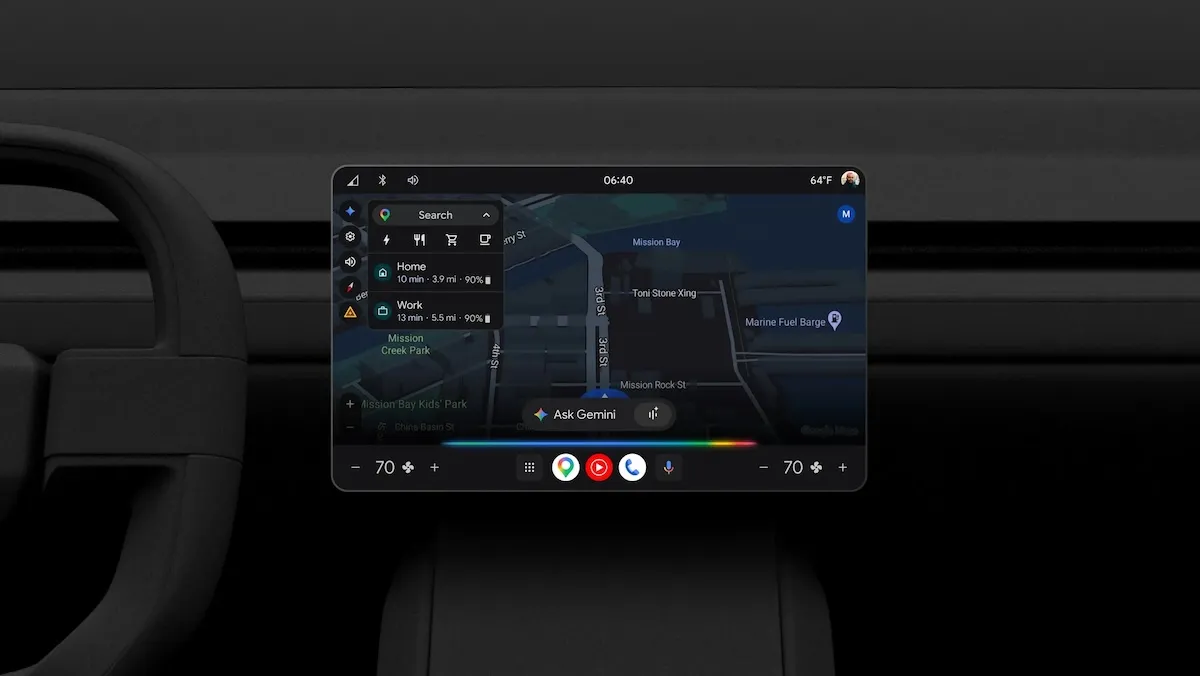
The traditional boundary separating our mobile devices from our automotive dashboards is rapidly dissolving. In a significant move toward a fully software-defined driving experience, Volvo has initiated a global over-the-air (OTA) update that embeds Apple Music directly into the infotainment architecture of over 2 million vehicles. This shift moves beyond the reliance on tethered solutions like Apple CarPlay, allowing the streaming service to function as a native component of the vehicle’s operating system.
A Seamless Shift Toward Native Integration
For years, drivers have depended on smartphone mirroring to bridge the gap between their digital lives and their vehicles. However, this latest update transforms the car into a standalone media hub. By integrating the app directly into the dashboard, Volvo is eliminating the friction of pairing devices or managing Bluetooth connections. This transition mirrors the broader industry trend where vehicles are increasingly viewed as sophisticated, connected computing platforms rather than just mechanical transport. Much like how a smart television updates its interface to include new streaming services, modern cars are now evolving through cloud-based software enhancements rather than physical hardware overhauls.
Broad Compatibility Across the Volvo Fleet
This digital upgrade is not limited to a niche selection of vehicles; it encompasses a vast portion of Volvo’s recent lineup. Owners of models from the 2020 model year and newer-including the EX90, ES90, XC90, S90, V90, XC60, S60, V60, XC40, EX40, and EC40-are slated to receive the update. While regional availability and specific hardware configurations may influence the rollout, the scale of this deployment underscores Volvo’s commitment to maintaining the relevance of its existing fleet through software.
The Security and Convenience Trade-off
While the convenience of native streaming is undeniable, this shift toward “connected cars” brings new considerations. As vehicles become more reliant on constant data streams and remote updates, the potential for security vulnerabilities grows. Industry analysts note that as cars become more like smartphones, they inherit similar cybersecurity risks, necessitating robust encryption and frequent security patches to protect user data. Despite these challenges, the consumer demand for a “plug-and-play” digital environment remains the primary driver for manufacturers, as users increasingly expect their vehicle’s interface to mirror the seamless connectivity of their home and mobile environments.