






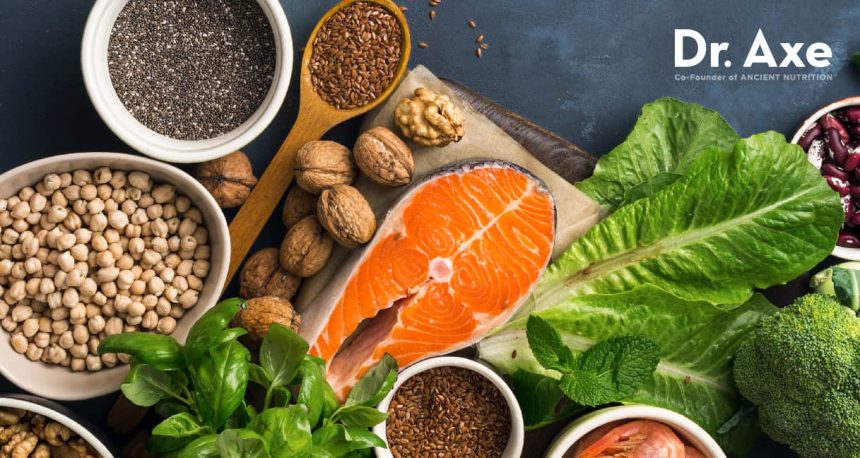
Embracing the Mediterranean Lifestyle: A Blueprint for Longevity
The Mediterranean diet is far more than a fleeting nutritional trend; it is a time-tested framework for health that consistently ranks at the top of global medical recommendations. By prioritizing whole, nutrient-dense foods, this lifestyle approach offers a sustainable path toward improved cardiovascular health, cognitive longevity, and metabolic balance.
The Science Behind the Plate
Recent clinical data underscores the efficacy of this eating pattern. According to a 2023 meta-analysis published in the Journal of the American College of Cardiology, individuals who strictly adhere to Mediterranean-style eating habits demonstrate a 25% lower risk of developing cardiovascular disease compared to those following a standard Western diet.
Unlike restrictive “fad” diets that focus on calorie counting, the Mediterranean approach emphasizes the quality of fuel. It centers on:
* Monounsaturated Fats: Primarily sourced from extra virgin olive oil, which helps manage cholesterol levels.
* Plant-Forward Nutrition: A heavy reliance on legumes, nuts, seeds, and seasonal vegetables that provide essential fiber and antioxidants.
* Lean Proteins: Prioritizing fatty fish rich in Omega-3s over processed red meats.
Practical Strategies for Daily Integration
Transitioning to this way of life doesn’t require an overnight overhaul of your pantry. Instead, consider these incremental shifts:
- The “Olive Oil Swap”: Replace butter or margarine with high-quality extra virgin olive oil for both cooking and dressing salads. This simple change introduces heart-healthy polyphenols into every meal.
- Prioritize Plant-Based Proteins: Challenge yourself to have at least two “meatless” dinners per week, utilizing lentils, chickpeas, or quinoa as your primary protein source.
- Mindful Snacking: Swap processed crackers or sugary snacks for a handful of raw walnuts or almonds. These provide sustained energy without the blood sugar spikes associated with refined carbohydrates.
- The Social Element: In Mediterranean cultures, food is a communal experience. Research suggests that eating with others-rather than in front of a screen-improves digestion and fosters a healthier psychological relationship with food.
Why This Approach Endures
The beauty of this diet lies in its flexibility. It is not about deprivation; it is about abundance. By focusing on what you can add to your plate-more color, more healthy fats, and more whole grains-you naturally crowd out the processed ingredients that contribute to systemic inflammation. Whether you are looking to improve your heart health or simply seeking a more sustainable way to nourish your body, the Mediterranean framework provides the necessary tools for long-term success.
For a deeper dive into the specific food groups and meal planning strategies that can help you transition to this lifestyle, explore our comprehensive guide here: » MORE INFO >>>






![[Event Review] Mayan Warrior Makes Epic Chicago Debut at Union Park](https://www.mixtv1.com/wp-content/uploads/2026/07/14463-attachment.jpg)

