





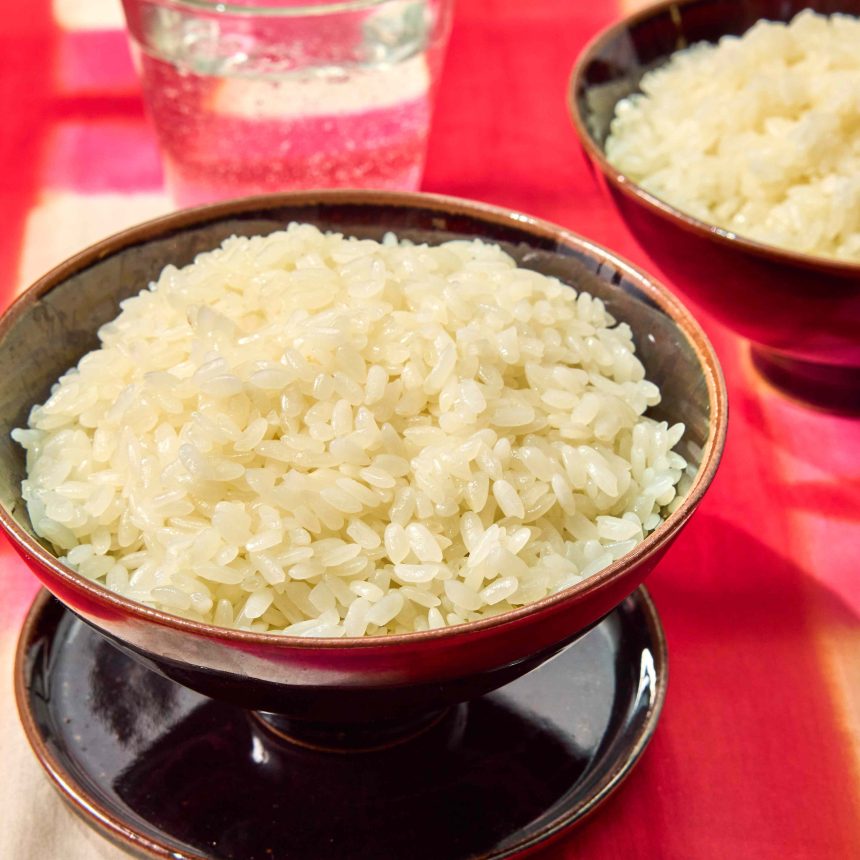
The Culinary Appeal of Glutinous Rice: A Texture-First Staple
Often referred to as “sticky rice,” glutinous rice is a cornerstone of Southeast Asian cuisine, celebrated for its distinctively tacky, elastic consistency. Unlike standard long-grain varieties that fluff up when cooked, this specific grain contains a higher concentration of amylopectin, which gives it that signature chewiness and a remarkable capacity to absorb bold, savory liquids.
Mastering the Steaming Technique
To achieve the perfect mouthfeel, culinary experts emphasize steaming over boiling. While boiling often results in a mushy, waterlogged texture, steaming preserves the integrity of the grain, ensuring each bite remains firm yet tender. This method is essential for maintaining the rice’s structural integrity, allowing it to act as a functional “utensil” for scooping up food.
Creative Pairings and Serving Suggestions
Because of its neutral flavor profile and dense texture, sticky rice is an incredibly adaptable base. Consider these ways to elevate your next meal:
* The Protein Balance: It serves as the ideal companion to charred, marinated meats like Thai-style grilled pork (Moo Ping), where the rice balances the smoky, salty notes of the protein.
* Fresh Contrasts: Pair it with vibrant, acidic dishes such as Som Tum (spicy green papaya salad). The cooling, starchy nature of the rice provides a necessary reprieve from the heat of fresh chilies and lime juice.
* The Breakfast Upgrade: For a quick, protein-packed start to the day, try pairing warm sticky rice with a pair of sunny-side-up eggs. As the golden, liquid yolks coat the grains, they create a creamy, indulgent sauce that requires no extra seasoning.
Why It’s a Global Favorite
Beyond its taste, sticky rice is a nutritional powerhouse. According to recent dietary data, a half-cup serving provides a quick source of energy, making it a preferred fuel for laborers and athletes in regions like Laos and Northern Thailand. Its ability to hold its shape also makes it a convenient “grab-and-go” food, often wrapped in banana leaves for portability. Whether you are dipping it into a spicy jaew sauce or enjoying it alongside stir-fried greens, its versatility remains unmatched in the world of grains.