


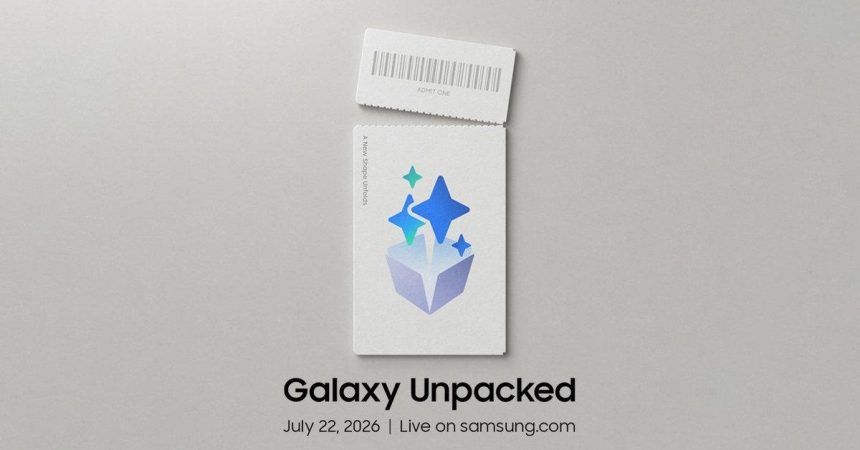
Anticipating the Next Galaxy Unpacked: What to Watch For
The tech world is buzzing as Samsung prepares for its upcoming Galaxy Unpacked showcase. While the company remains tight-lipped about the full roster, industry insiders and supply chain leaks suggest that the spotlight will be firmly fixed on the evolution of their foldable smartphone series. With foldable market penetration expected to grow significantly-reaching an estimated 20 million units shipped globally by the end of 2024-Samsung is under pressure to deliver a transformative experience.
Beyond the anticipated hardware refreshes, there is a palpable sense of curiosity regarding potential software integrations and ecosystem expansions. Here is your comprehensive guide to the event and the innovations likely to take center stage.
Mark Your Calendars: Event Timing
Samsung has officially scheduled its latest Galaxy Unpacked presentation for July 22nd. The broadcast is set to commence at 9:00 AM ET (6:00 AM PT). While the physical venue for this exclusive, invite-only gathering is located in London, the digital doors are open to a global audience.
How to Tune In Live
You don’t need an invitation to catch the action in real-time. Samsung is providing multiple avenues for viewers to stream the keynote from the comfort of their homes:
- Visit the official Samsung Newsroom website for the primary broadcast.
- Head over to Samsung’s official YouTube channel, which offers high-definition streaming and interactive chat features.
- Stay right here on this page, where we will be hosting the live feed for your convenience.
The Future of Foldables: What’s Coming?
The most significant narrative surrounding this event is the rumored design overhaul of the flagship foldable. Samsung has dropped subtle hints regarding a shift in form factor, with teasers suggesting a departure from the traditional narrow aspect ratio.
Industry analysts anticipate that the Galaxy Z Fold 8 will feature a noticeably wider display, a change that addresses long-standing user feedback regarding the device’s usability when closed. Much like the transition from standard tablets to ultra-thin, bezel-less displays, this shift aims to make the cover screen feel more like a traditional smartphone, effectively bridging the gap between a standard handset and a tablet-sized powerhouse. Whether these design tweaks will be accompanied by advancements in hinge durability or battery density remains the primary question for enthusiasts.






![[Event Review] Mayan Warrior Makes Epic Chicago Debut at Union Park](https://www.mixtv1.com/wp-content/uploads/2026/07/14463-attachment.jpg)
