


The Esports Industry’s Obsession with AI Witch Hunts
It might be an unpopular opinion that risks getting me banned from various community hubs, but it is time to address the elephant in the room: the esports world has descended into a full-blown moral panic regarding artificial intelligence. We have moved past healthy skepticism and entered an era of performative outrage.
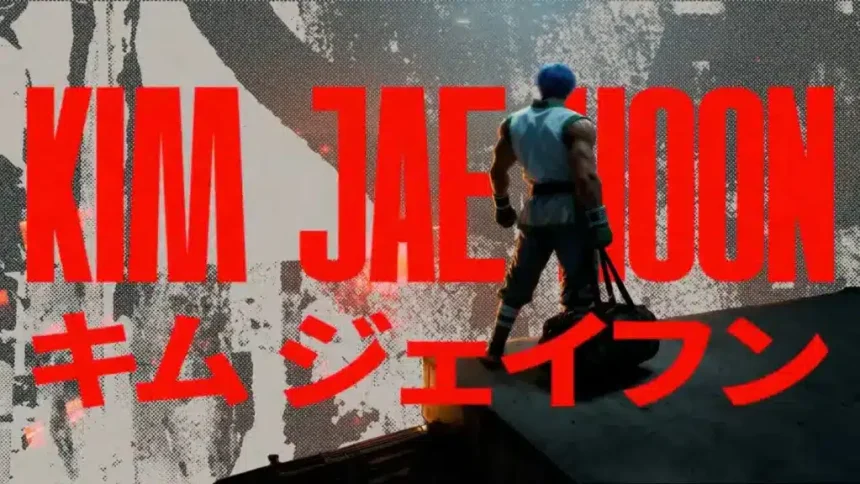
Whenever a publisher or a professional organization shares a piece of promotional artwork, a segment of the audience immediately shifts into detective mode. They aren’t looking at the composition or the message; they are hunting for “tells.” Whether it is counting fingers, analyzing the texture of a background logo, or dissecting pixel artifacts, the community has become hyper-fixated on identifying AI-generated content, often with a level of hostility that feels disproportionate to the actual offense.
The Diminishing Returns of Digital Vigilantism
While it is valid to critique the use of generative tools-especially when they replace human artists or feel uninspired-the current trend of “pixel-policing” has reached a point of absurdity. We are seeing fans spend more energy debunking a social media graphic than they do engaging with the actual competitive scene. This reactionary culture creates a toxic environment where any minor visual inconsistency is treated as a cardinal sin, regardless of whether the image was actually AI-generated or simply a victim of poor compression or human error.
To put this into perspective, consider the recent backlash against major tournament organizers. In several instances, community members have “exposed” images as AI-generated, only for it to be revealed that the assets were created by human designers using standard industry software. This “shoot first, ask questions later” mentality is not just exhausting; it is damaging the relationship between developers and their core audiences.
Why the Industry Needs a Reality Check
The reality is that the integration of AI in creative workflows is a nuanced issue, not a binary one. According to recent industry reports, over 60% of creative agencies are now experimenting with AI-assisted tools to streamline repetitive tasks, such as color grading or asset cleanup. By focusing exclusively on “catching” AI, the community is missing the broader conversation about how these tools can actually support human creativity rather than replace it.
Instead of acting as digital forensic investigators, fans might be better served by demanding transparency regarding labor practices. If the concern is truly about the devaluation of human talent, the focus should be on fair compensation and job security, rather than whether a background texture looks slightly “off.”
Keep Reading
- Fatal Fury: City of the Wolves has an insane DLC schedule, but it may not be enough to bring the sauce
- Esports will never be taken seriously until people get paid on time
The Cost of Constant Outrage
If you want to see how intense this reaction has gotten, » More Info >>>