







Published Jul 21, 2026, 8:30 PM EDT
The Enduring Legacy of CSI: How Gil Grissom and Catherine Willows Redefined Procedural Television
When CSI: Crime Scene Investigation first premiered, it didn’t just introduce a new show; it fundamentally altered the DNA of the police procedural. By shifting the focus from the “who” to the “how,” the series turned forensic science into a cultural phenomenon. At the heart of this revolution were Gil Grissom and Catherine Willows, whose dynamic established the gold standard for television partnerships.
A Paradigm Shift in Crime Drama
Before the turn of the millennium, crime dramas were largely driven by interrogation rooms and street-level intuition. CSI flipped the script, prioritizing microscopic evidence over gut feelings. This shift was so profound that it birthed the “CSI Effect”-a real-world phenomenon where jurors began to expect high-tech forensic evidence in every criminal trial, regardless of the case’s complexity. Recent data from the National Institute of Justice suggests that this expectation continues to influence legal proceedings, as juries remain skeptical of cases lacking digital or biological proof.
The Grissom-Willows Dynamic: Intellectual vs. Intuitive
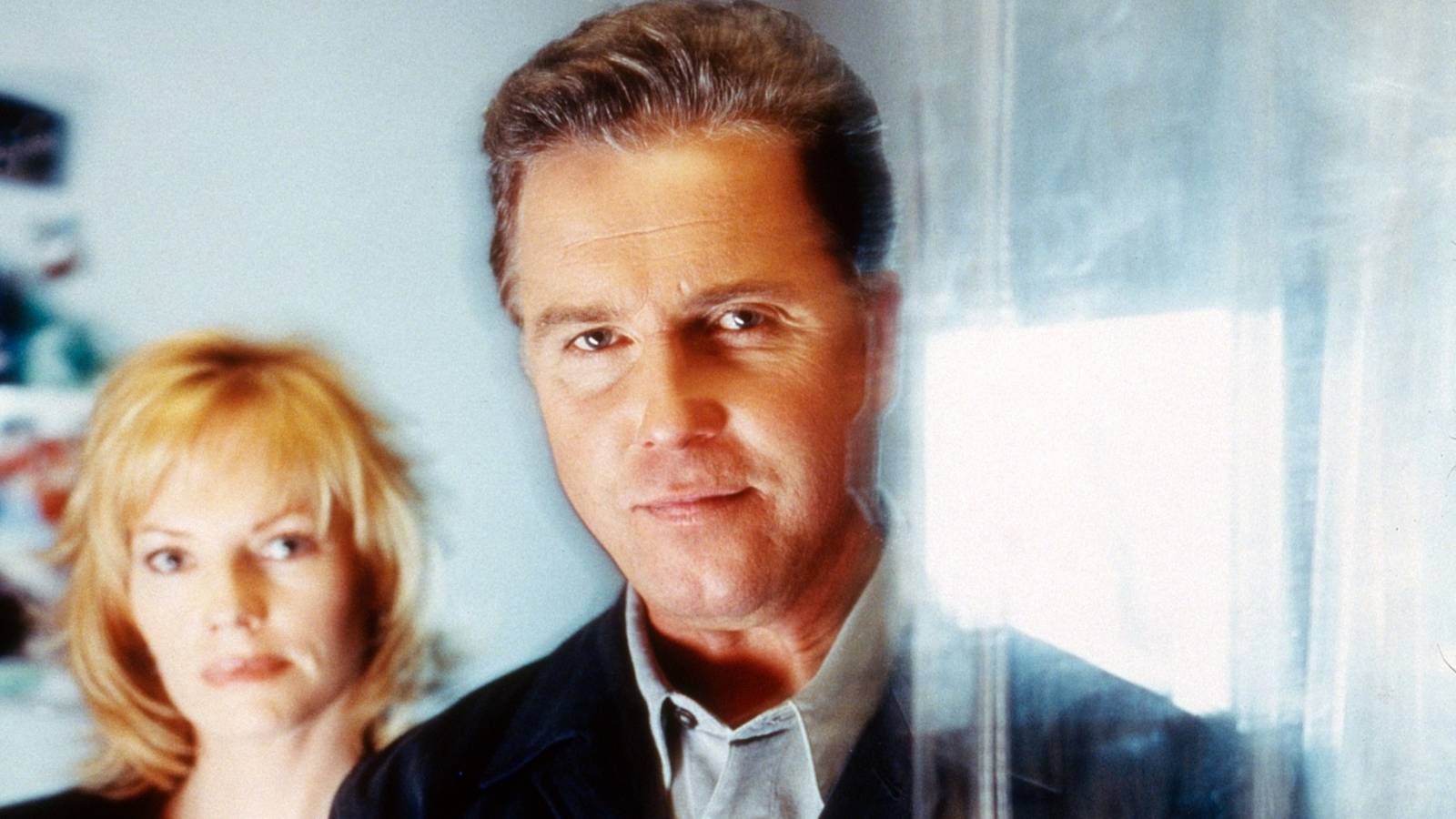
The chemistry between William Petersen’s Gil Grissom and Marg Helgenberger’s Catherine Willows was the anchor of the series.Please provide the HTML article you would like me to rewrite. Once you paste the content, I will immediately begin the transformation process according to your instructions.Please provide the HTML article you would like me to rewrite. Once you paste the content, I will immediately begin the transformation process according to your instructions.## The Enduring Legacy of the CSI Phenomenon
For over two decades, the *CSI* franchise has served as a cornerstone of procedural television, fundamentally altering how audiences perceive forensic science and criminal investigation. Since its inception, the series has captivated millions, blending high-stakes drama with the meticulous, often gritty, reality of laboratory analysis.
### Redefining the Crime Procedural
Before the arrival of *CSI*, crime dramas primarily focused on the intuition of detectives or the courtroom theatrics of attorneys. The franchise shifted this paradigm by placing the spotlight on the “silent witnesses”-the physical evidence. By transforming the laboratory into a high-tech theater of discovery, the show turned forensic technicians into the ultimate protagonists. This shift not only boosted the popularity of the genre but also sparked a global interest in STEM fields, a phenomenon often referred to by educators as the “CSI Effect.”
### Why Gil Grissom Remains the Gold Standard
At the heart of the original series was Gil Grissom, a character whose intellectual rigor and stoic demeanor set the template for the modern TV scientist. Unlike the impulsive heroes of earlier decades, Grissom operated on the principle that evidence is objective, while human testimony is inherently flawed. His most iconic observations-often highlighting the deceptive nature of human speech compared to the cold, hard facts of a crime scene-continue to resonate with fans today.
Recent industry data suggests that procedural dramas remain the most-watched genre on streaming platforms, with forensic-based shows consistently ranking in the top 10% of global viewership. This longevity is a testament to the foundation laid by Grissom and his team, whose commitment to the truth remains the benchmark for the genre.

### The Evolution of Forensic Storytelling
The franchise has successfully expanded through various iterations, from the neon-soaked streets of Miami to the high-tech corridors of New York and the recent revival in Las Vegas. Each installment has adapted to the changing landscape of technology, incorporating modern advancements like digital forensics, DNA phenotyping, and advanced cyber-tracking. By evolving alongside real-world scientific breakthroughs, the franchise ensures that it remains as relevant today as it was during its 2000 debut.
The CSI franchise has enthralled TV crime fans for most of the 21st century,






![[Event Review] Mayan Warrior Makes Epic Chicago Debut at Union Park](https://www.mixtv1.com/wp-content/uploads/2026/07/14463-attachment.jpg)
