


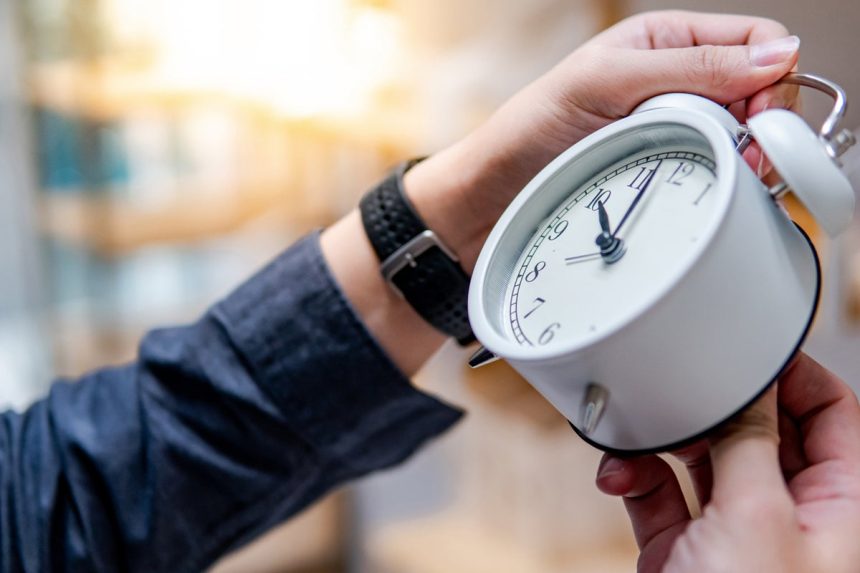
The Push for Permanent Daylight Saving: A New Legislative Chapter
For over a century, the United States has engaged in the rhythmic ritual of shifting clocks twice annually. While the concept of daylight saving time (DST) has been a fixture of American life for 108 years, the nation has flirted with the idea of making it a permanent fixture on only three rare occasions: the height of the First and Second World Wars, and a brief, energy-conscious experiment during the 1973-74 oil crisis. Now, the debate has resurfaced with renewed legislative momentum.
Legislative Progress: The Sunshine Protection Act
Following a stalled effort in 2022, the movement to lock the clocks gained significant traction this summer. On July 14, 2026, the U.S. House of Representatives overwhelmingly approved the Sunshine Protection Act in a 308-117 bipartisan vote. With vocal support from President Donald Trump, the bill aims to end the biannual time-switch once and for all. The legislation is currently slated to be considered by the Senate, marking a critical juncture in the country’s long-standing history with timekeeping policy.
Public Sentiment and the Current Landscape
Currently, the vast majority of the U.S. adheres to the seasonal “spring forward, fall back” routine, with the notable exceptions of Hawaii and Arizona, both of which maintain standard time throughout the year. However, the appetite for this traditional cycle is waning. Recent 2026 polling data indicates that approximately 66% of Americans favor abolishing the twice-yearly time change. In contrast, only 16% of the population prefers to maintain the status quo, while roughly 21% remain undecided on the matter.
Beyond the Clock: The Health Implications
The frustration surrounding the biannual transition is not merely a matter of lost sleep or scheduling headaches. The implications of shifting our internal clocks are increasingly viewed through a medical lens. Experts are highlighting that the abrupt transition in March-often referred to as “springing ahead”-is linked to measurable physiological stress. Studies suggest that the disruption to circadian rhythms can trigger a spike in cardiovascular events and workplace accidents, suggesting that the cost of our current system may be far higher than a simple annoyance.