





Essential Insights for Your Wrangell-St. Elias Expedition
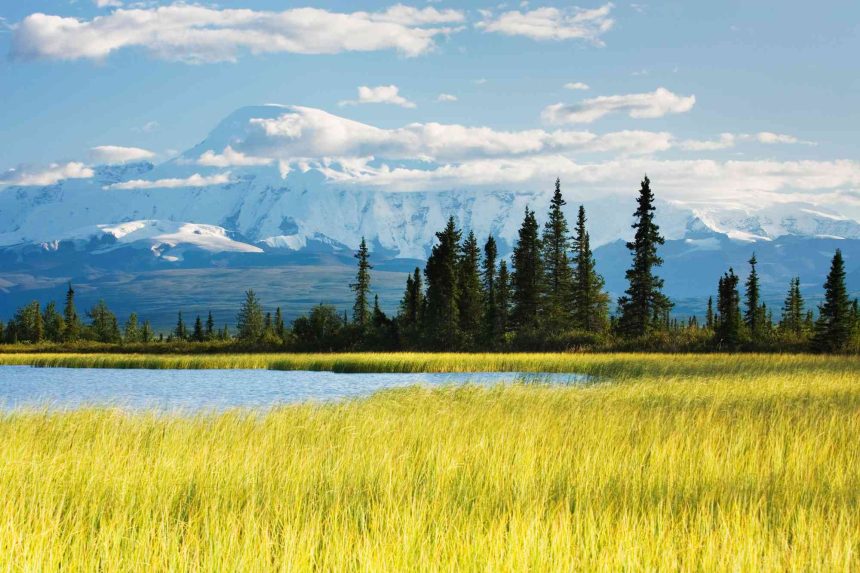
Spanning over 13 million acres, Wrangell-St. Elias National Park and Preserve is a titan of the American wilderness. It is larger than Switzerland and encompasses a landscape so vast that it defies conventional travel expectations. Before you venture into this rugged Alaskan frontier, it is vital to understand that this is not a typical “drive-through” park. Preparation is the difference between a transformative experience and a logistical nightmare.
Navigating the Scale of the Wilderness
The sheer magnitude of Wrangell-St. Elias is its most defining characteristic. To put its size into perspective, you could fit the entirety of Yellowstone, Yosemite, and the Grand Canyon inside its borders and still have room to spare. Because of this immense footprint, visitors often underestimate the time required to traverse even small sections of the park.
Most travelers access the interior via the McCarthy Road. While once notorious for its treacherous conditions, it has been improved, yet it remains a gravel thoroughfare that demands a high-clearance vehicle and a spare tire. Always check local conditions before departing, as weather-induced washouts can occur without warning.
The Glacial Giants and Alpine Terrain
The park is home to some of the most significant glacial systems in North America. The Nabesna and Kennicott glaciers are not merely scenery; they are active, shifting geological forces.
* Safety First: Never attempt to traverse glaciers without professional guidance or extensive mountaineering experience. The crevasses are often hidden by thin snow bridges.
* Dynamic Landscapes: Unlike the static views found in many lower-48 parks, the terrain here is constantly evolving due to glacial retreat and seismic activity.
Historical Echoes: The Kennicott Legacy
A highlight for many is the historic Kennicott Copper Mine. This National Historic Landmark offers a window into the early 20th-century industrial boom. Walking through the red-painted wooden structures provides a stark contrast to the surrounding icy peaks. It serves as a reminder of how human ambition once attempted to tame this unforgiving environment. Today, the preservation efforts allow visitors to witness the intersection of rugged mining history and pristine wilderness conservation.
Strategic Planning for the Remote Traveler
Unlike parks with shuttle systems and paved loops, Wrangell-St. Elias requires self-sufficiency.
- Connectivity: Cell service is virtually non-existent once you leave the main hubs. Download offline maps and carry a satellite communication device.
- Wildlife Awareness: You are in prime grizzly and black bear country. Proper food storage and carrying bear spray are not optional-they are mandatory safety protocols.
- Weather Volatility: Alaska’s interior can experience four seasons in a single afternoon. Layering is your best defense against hypothermia, even in the height of summer.
Why This Park Demands Respect
Recent data from the National Park Service indicates that while visitation numbers are lower than the “Big Five” parks, the average length of stay for those who do visit is significantly longer. This suggests that Wrangell-St. Elias is a destination for those seeking deep immersion rather than a quick photo opportunity. By respecting the park’s isolation and preparing for its unpredictable nature, you ensure that this wild sanctuary remains preserved for generations to come.