





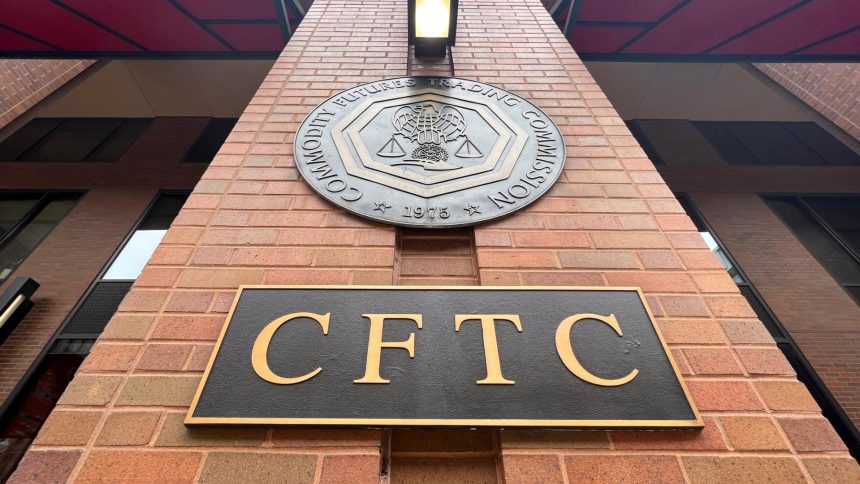
# CFTC Cracks Down on “Cookie-Cutter” Tactics in Prediction Market Filings
The U.S. Commodity Futures Trading Commission (CFTC) is intensifying its scrutiny of prediction market platforms, issuing a stern warning regarding the industry’s growing reliance on standardized, bulk contract submissions. As the primary oversight body for derivatives, the CFTC is signaling that the era of “one-size-fits-all” self-certification is effectively over.
### Regulatory Pushback Against Generalized Filings
In a recent advisory, the commission highlighted a recurring issue: firms are attempting to bypass rigorous review processes by bundling vast arrays of event contracts under single, generic certifications. According to the agency, this practice undermines the regulatory mandate to evaluate each contract’s unique risk profile and potential for market manipulation.
The CFTC’s stance is clear: prediction markets-including major players like Kalshi, Coinbase, Polymarket, and Crypto.com-must provide granular, event-specific data for every submission. The regulator emphasized that “broad, template-style certifications” are insufficient and fail to meet the transparency standards required for designated contract markets.
### A Pattern of Non-Compliance
This latest directive marks the second time in recent months that the commission has felt compelled to address the industry’s shortcut-heavy approach. By repeatedly issuing these warnings, the CFTC is signaling that it will no longer tolerate the “copy-paste” culture that has permeated the sector as it attempts to scale rapidly.
For context, the derivatives market has seen an explosion in volume, with event-based trading platforms growing by over 30% in the last year alone. As these platforms expand into political, economic, and social forecasting, the complexity of the underlying assets increases. The CFTC argues that a standardized filing for a simple weather-based contract cannot be applied to a complex geopolitical event, as the latter carries significantly higher risks of insider trading and market distortion.
### Why Individual Scrutiny Matters
The agency’s official advisory serves as a reminder that self-certification is a privilege, not a loophole. When firms treat the certification process as a mere administrative formality, they risk losing the trust of the regulator.
Think of it like a building inspector: you wouldn’t submit a single blueprint for a skyscraper and expect it to cover a suburban home, a bridge, and a factory simultaneously. Each structure requires its own engineering analysis. Similarly, the CFTC requires that each event contract be assessed on its own merits to ensure it aligns with the Commodity Exchange Act.
Moving forward, prediction market operators will need to invest more heavily in their compliance departments to ensure that every filing is bespoke, detailed, and fully transparent. Failure to pivot away from template-based submissions could lead to more aggressive enforcement actions or the rejection of future contract offerings.




![[Interview] Boris Brejcha Opens Up About His First-Ever Orchestral Performance Ahead of Hollywood Bowl Debut](https://www.mixtv1.com/wp-content/uploads/2026/07/15985-attachment.jpg)