





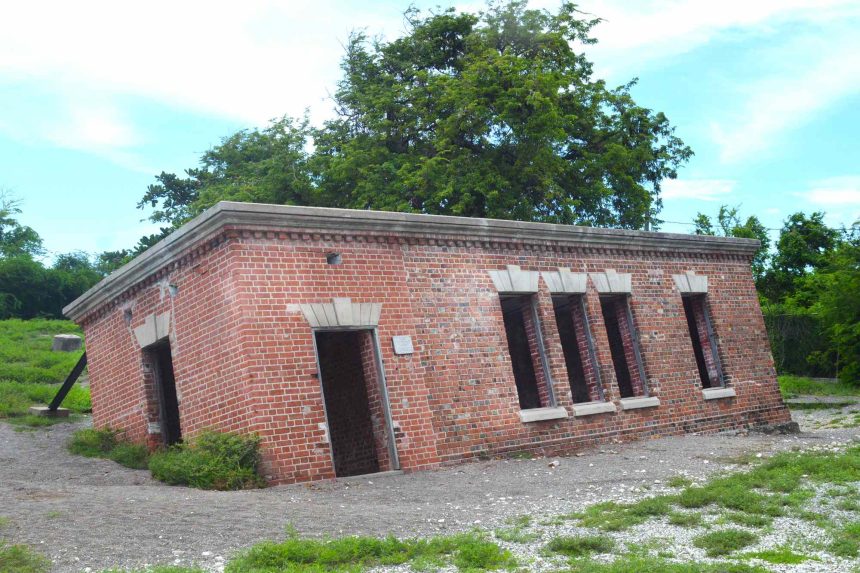
# The Rise and Ruin of the Caribbean’s Most Notorious Port
Long before it became a quiet fishing village, Port Royal, Jamaica, held a reputation so scandalous that it was globally branded the “Wickedest City on Earth.” During the late 17th century, this bustling harbor served as the primary hub for privateers, merchants, and outlaws, transforming a sandy spit of land into one of the wealthiest and most dangerous colonial outposts in the New World.
## A Haven for Privateers and Plunder
In the 1660s, Port Royal functioned as the unofficial capital of piracy. The English government, lacking the naval resources to fully defend its Caribbean interests, actively encouraged privateers-essentially state-sanctioned pirates-to operate out of the port. These figures, most notably the infamous Henry Morgan, used the city as a base to launch raids against Spanish treasure fleets.
The influx of gold and silver from these expeditions turned the city into a hedonistic playground. By 1692, the city boasted a population of roughly 6,500 people, with one out of every four buildings serving as a tavern or brothel. It was a place where fortunes were made in the morning and gambled away by sunset.
## The Cataclysmic Shift
The city’s reign of excess came to a sudden, violent end on June 7, 1692. A massive earthquake struck the island, triggering a liquefaction event that caused the sandy foundation of the city to collapse into the sea.
Recent archaeological surveys suggest that nearly two-thirds of the city vanished beneath the waves in a matter of minutes. Modern sonar mapping has revealed that the submerged ruins remain remarkably well-preserved, acting as an underwater time capsule. Unlike the Pompeii disaster, which was caused by volcanic ash, Port Royal’s destruction was a rapid geological collapse that trapped the city’s 17th-century infrastructure in a watery grave.
## Port Royal Today: A Legacy of Resilience
While the “Wickedest City” label remains its most famous historical footnote, the modern-day Port Royal is a site of significant historical preservation. Today, the area is a focal point for maritime archaeologists who study the daily lives of the people who lived there before the disaster.
Current statistics from the Jamaica National Heritage Trust indicate that the site is a candidate for UNESCO World Heritage status, highlighting its importance not just as a pirate legend, but as a critical window into colonial history. Visitors today can explore the remnants of Fort Charles, one of the few structures that survived the 1692 earthquake, offering a stark contrast to the chaotic, lawless reputation the city once held.