





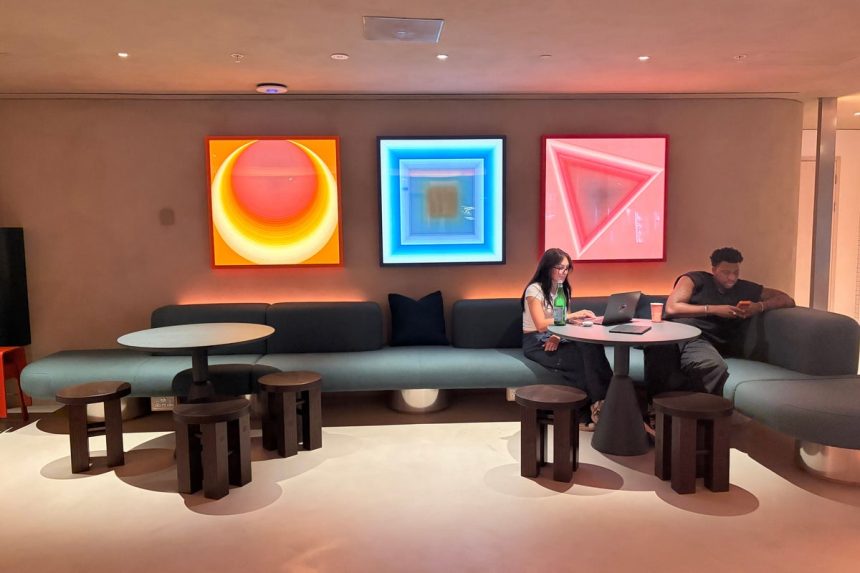
Redefining the London Stay: A New Era of Micro-Accommodation
Squeezing through a narrow entryway while wrestling an oversized backpack into a space barely wider than my shoulders, I am reminded of the adage: “Good things come in small packages.” In this instance, the “package” is a meticulously designed sleeping capsule at Otherwander, London’s latest foray into the Japanese-inspired pod hotel concept.
Once I settled into the “nest”-the brand’s term for these illuminated, aromatic, and high-tech sleeping quarters-any skepticism vanished. It was immediately clear that this was a sanctuary designed for genuine rest, a stark contrast to the typical budget-travel experience.
The Evolution of the Budget Commuter
For the growing demographic of hybrid workers-often dubbed “TWaTs” (those commuting Tuesday through Thursday)-finding affordable accommodation in the capital is a relentless challenge. With London hotel prices frequently surging, the hunt for a room under £100 often feels like a losing battle. My own history of budget stays reads like a cautionary tale: from a damp-ridden hostel near London Bridge that required a bucket for leaks, to a sweltering, unhygienic Airbnb in Chiselhurst that introduced me to unwanted insect roommates. I have navigated the gamut of basement-level single rooms across Paddington and King’s Cross, most of which offered little more than a place to drop a bag.
Why Pod Hotels Are Changing the Game
The rise of the pod hotel is a direct response to the inefficiencies of traditional budget lodging. Recent industry data suggests that micro-hotels are seeing a surge in popularity, with occupancy rates in urban centers climbing as travelers prioritize location and cleanliness over sprawling square footage. Unlike my previous experience at a central London pod hotel-which felt more like a claustrophobic coffin than a place of rest-Otherwander manages to balance minimalism with genuine comfort.
By stripping away the unnecessary clutter of a standard hotel room, these spaces focus on the essentials: a high-quality mattress, climate control, and a sense of privacy. For the modern commuter, this shift represents a move away from “shabby” and toward “smart.” It is no longer about settling for the cheapest basement; it is about finding a functional, futuristic space that respects the traveler’s need for a quiet, clean, and affordable night’s sleep.