




Beyond the Basics: Uncovering the Protein Potential in Fruit
While most people associate protein exclusively with animal products, legumes, or nuts, the botanical world offers a surprising amount of amino acids hidden within your favorite produce. While fruit will never replace a steak or a serving of lentils in terms of sheer protein density, incorporating specific varieties into your diet can provide a helpful nutritional boost.
Why Fruit Isn’t Just About Fiber and Vitamins
For years, the nutritional narrative surrounding fruit has focused almost entirely on fiber, antioxidants, and vitamin C. However, viewing fruit solely as a source of micronutrients overlooks its role in a balanced macronutrient profile. By strategically selecting fruits with higher protein content, you can add a subtle, plant-based edge to your snacks or breakfast bowls.
Top Performers: Which Fruits Pack the Most Protein?
If you are looking to maximize your intake, not all fruits are created equal. Some varieties stand out for their amino acid profiles:
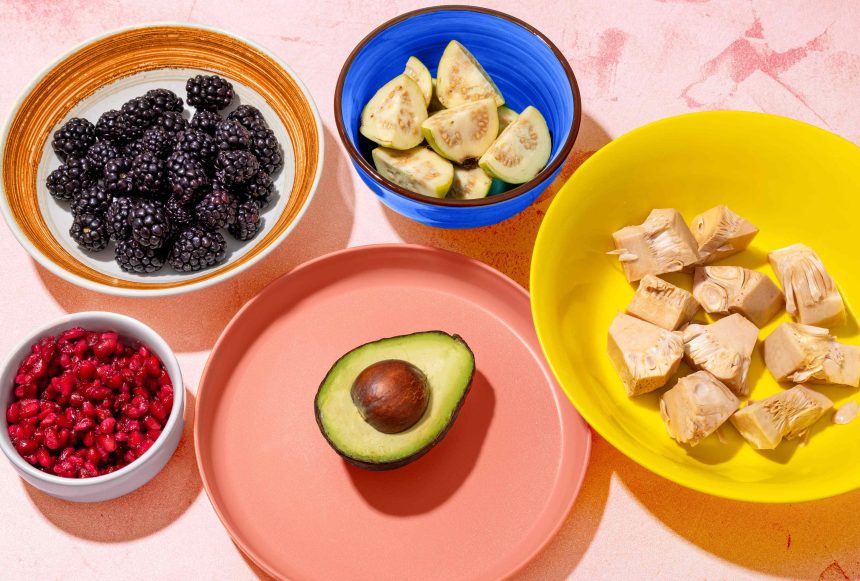
* Guava: Often overlooked, this tropical powerhouse is arguably the king of fruit protein, offering roughly 4 grams per cup.
* Avocados: Technically a fruit, these creamy staples provide about 3 grams of protein per cup, alongside heart-healthy monounsaturated fats.
* Blackberries and Raspberries: These berries are excellent choices, providing roughly 2 grams of protein per cup while remaining relatively low in sugar.
* Kiwi: Beyond its digestive enzymes, a cup of sliced kiwi contributes about 2 grams of protein to your daily total.
Integrating Protein-Rich Fruit into Your Routine
To get the most out of these options, consider pairing them with other protein sources to create a synergistic effect. For instance, topping Greek yogurt-which is already protein-dense-with a handful of blackberries and a sprinkle of hemp seeds can turn a simple snack into a muscle-supporting powerhouse.
Recent data from the USDA suggests that while fruit contributes only a small percentage of the average person’s daily protein requirement, those who prioritize nutrient-dense, whole-food snacks tend to have better satiety levels throughout the day. By swapping out low-protein snacks like refined crackers for a bowl of guava or raspberries, you are choosing a path that supports both metabolic health and hunger management.
A Balanced Perspective
It is essential to maintain realistic expectations. You would need to consume a significant volume of fruit to meet the daily protein requirements of an active adult. Instead of viewing fruit as a primary protein source, treat it as a “value-add” component of your diet. It is the perfect way to round out your nutritional intake while enjoying the natural sweetness and hydration that only fresh produce can provide.
Surprise! Fruit has (some) protein. » More Info >>>