



A Fresh Perspective on Silent Hill: Townfall
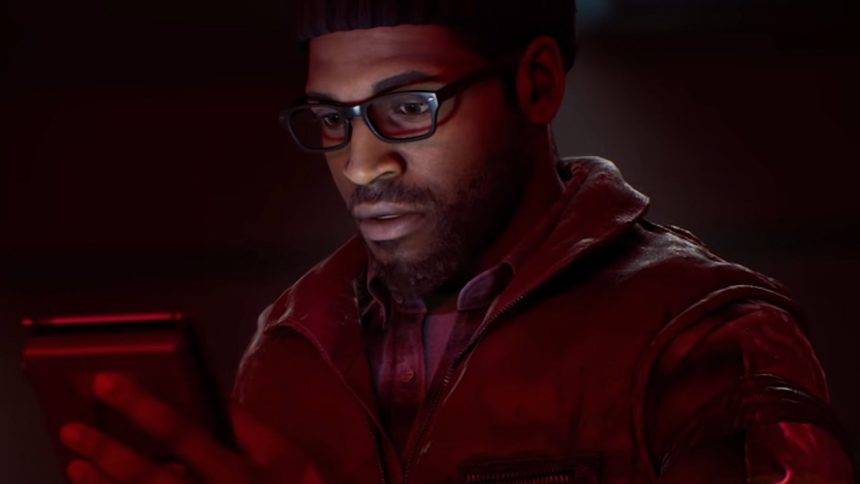
The hallmark of the Silent Hill franchise has always been its ability to weave psychological trauma into a suffocating, mist-covered landscape filled with enigmatic riddles. My initial expectations for Silent Hill: Townfall were high, and after spending three hours immersed in its unsettling world, I can confirm that the developers have successfully captured that signature dread. By shifting to a first-person perspective, the game evokes the haunting legacy of P.T., proving that a more intimate, claustrophobic interaction with your surroundings significantly amplifies both the narrative impact and the visceral terror of the gameplay. What I initially viewed as a mere experimental spin-off has transformed into a title I am now genuinely desperate to finish.
The Creative Minds Behind the Horror
The project is helmed by the studio now known as Screen Burn-formerly recognized as NoCode. This team brings a formidable pedigree to the table, having previously crafted the atmospheric space-thriller Observation. Furthermore, the studio shares a creative DNA with the team behind Alien: Isolation. Director Jon McKellan, who played a pivotal role in the development and DLC of that iconic survival-horror title, is channeling that same expertise into Townfall. His influence is unmistakable; the game masterfully utilizes a first-person viewpoint to strip away the player’s sense of security, forcing you to confront the environment from a position of extreme vulnerability.
Why First-Person Elevates the Silent Hill Experience
While the series has traditionally relied on fixed camera angles or third-person perspectives to frame its horror, the transition to a first-person view in Townfall feels like a natural evolution. Much like how modern horror titles-such as the recent Resident Evil entries-have utilized the first-person lens to heighten player anxiety, Townfall uses this proximity to make every shadow and sound feel personal. By removing the “buffer” of a character model on screen, the player becomes the protagonist, making the psychological weight of the town’s history feel far more immediate and inescapable.