





The Evolution of Fair Play: Is Valve Finally Winning the War on CS2 Cheaters?
Since its debut, Counter-Strike 2 has struggled to maintain a pristine competitive environment. High-ranking Premier lobbies, in particular, became notorious for being plagued by illicit software, leading to widespread community outcry. However, a combination of recent technical adjustments and investigative efforts from the player base indicates that Valve is gaining significant ground in its battle to secure the game’s integrity.
Closing the Loophole: Addressing the VACnet Evasion
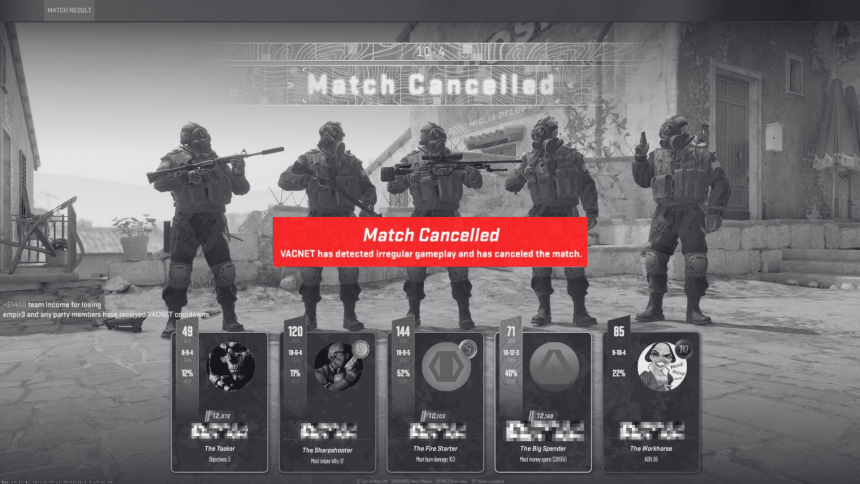
The most significant turning point in this struggle arrived via a targeted technical intervention. On July 29, 2026, Valve released a critical update designed to fortify the game’s backend. Among the various stability improvements, the patch notes explicitly stated: “Fixed a bug that allowed malicious players to avoid being processed by VACnet.”
To understand the impact of this change, consider it like a high-tech security system that had a blind spot in its motion sensors; for months, sophisticated cheat developers were essentially “cloaking” their users. By exploiting this specific vulnerability, bad actors were able to bypass Valve’s machine-learning detection entirely, ensuring their gameplay telemetry remained invisible to the system. With this loophole now sealed, the AI-driven VACnet can once again analyze the behavior of these previously hidden accounts, significantly increasing the likelihood of detection and subsequent bans.
A Data-Driven Approach to Anti-Cheat
The reliance on VACnet represents a shift toward proactive rather than reactive security. Unlike traditional signature-based detection-which only flags known software-machine learning models analyze patterns of movement, aim, and decision-making. Recent industry reports suggest that AI-assisted anti-cheat systems are becoming the gold standard in esports, as they can adapt to new “private” cheats that haven’t been cataloged yet. By ensuring that every player is subject to this scrutiny, Valve is effectively raising the barrier to entry for those looking to disrupt the competitive ecosystem.