





Lenovo’s Upcoming Googlebook Lineup: A First Look at the Hardware
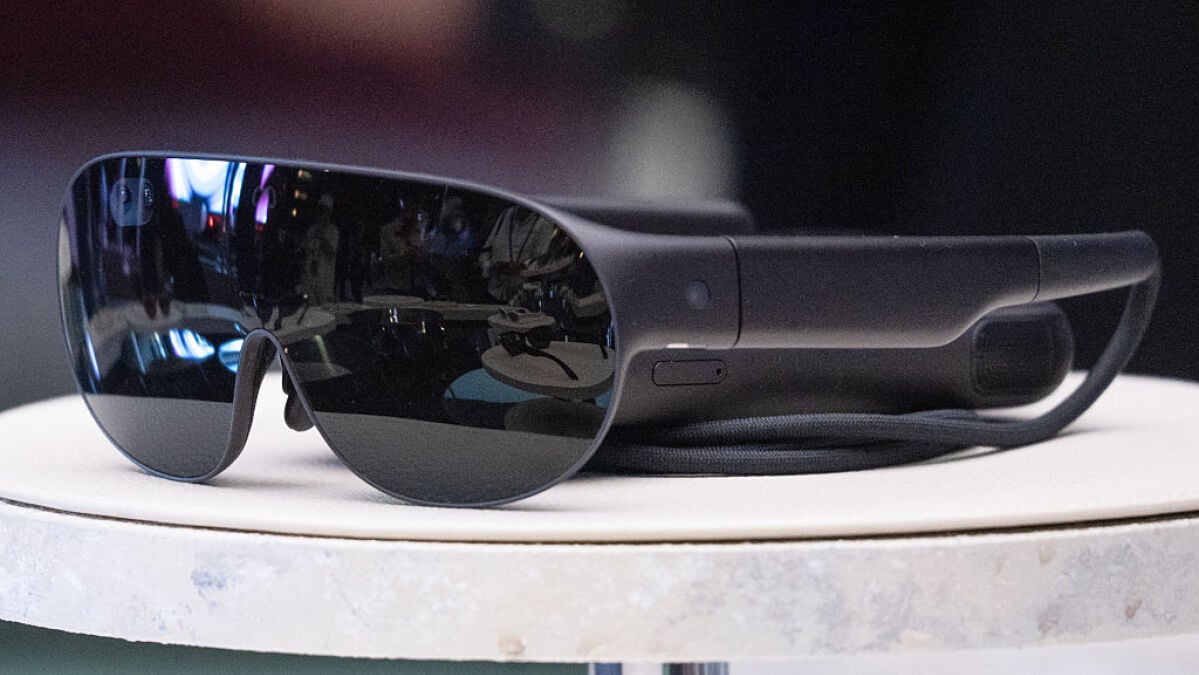
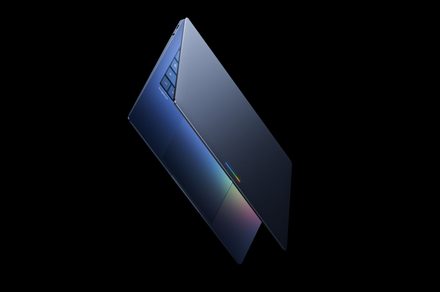
While Google officially unveiled the Googlebook concept during the I/O conference this past May, the physical design of these devices remained a mystery-until now. Freshly leaked imagery, courtesy of Android Headlines, provides our most detailed glimpse yet at the hardware Lenovo is readying for a projected autumn release.
A Diverse Hardware Strategy
Rather than a singular approach, it appears Lenovo is aiming for broad market coverage. Reports indicate the manufacturer is developing a trio of distinct devices. This lineup is expected to feature:
* Two Traditional Laptops: Likely catering to different performance tiers and price brackets.
* A Detachable 2-in-1 Tablet: This form factor stands out as the most intriguing addition, offering versatility for mobile productivity.
* AI-Integrated Peripherals: The leak also highlights a specialized wireless mouse engineered specifically to interface with the Googlebook ecosystem.
Why This Matters for the Ecosystem
While industry giants like Acer, Asus, Dell, and HP have already committed to the Googlebook platform, Lenovo’s aggressive three-pronged launch strategy signals a high level of confidence in the new operating system.
To put this in perspective, the global laptop market is currently seeing a shift toward AI-integrated hardware; according to recent industry forecasts, AI-ready PCs are expected to account for nearly 60% of all laptop shipments by 2027. By launching a diverse range of hardware-from standard clamshells to flexible tablets-Lenovo is positioning itself to capture both the enterprise and consumer segments early in the platform’s lifecycle.
What We Know (And What We Don’t)
While the leaked visuals confirm the aesthetic direction Lenovo is taking, technical specifications remain under wraps. We have yet to see official data regarding processor architecture, display resolution, or battery efficiency. However, the inclusion of an AI-focused mouse suggests that the hardware is being built from the ground up to prioritize the seamless integration of Gemini and other machine-learning features.
As we approach the fall launch window, these devices will likely serve as the benchmark for how well the Googlebook platform can compete with established players like Windows and ChromeOS.







“Honestly, you put into words exactly what I’ve been thinking. Spot on”