




The Friction Between AI Infrastructure and Local Communities
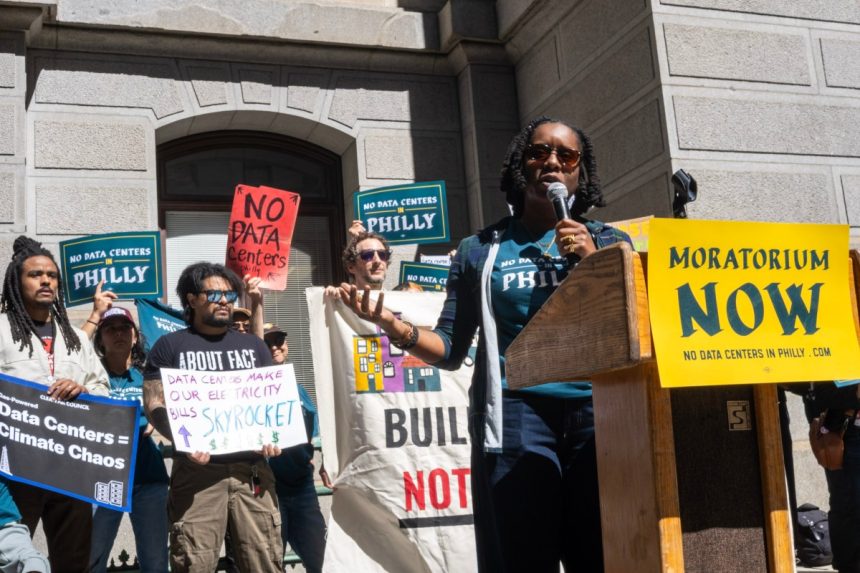
As the artificial intelligence revolution accelerates, the physical footprint of the technology-massive data centers-is sparking a nationwide controversy. While tech giants and infrastructure developers frequently market these facilities as engines for local economic revitalization and job creation, public sentiment remains largely skeptical. Many residents are pushing back, citing significant anxieties regarding the environmental impact and the strain these power-hungry facilities place on local energy grids.
Learning from Industrial History
For community advocates like Shawmar Pitts, the apprehension surrounding new data center developments is rooted in lived experience rather than abstract theory. Pitts, a long-term resident of the Grays Ferry district in Southwest Philadelphia, understands the long-term consequences of hosting heavy industrial operations. His upbringing was defined by the presence of a massive oil refinery-once the largest on the East Coast-which dominated the local landscape until a catastrophic explosion forced its closure in 2019.
For years, Pitts observed a pattern of chronic health issues among his neighbors and family members without fully grasping the underlying cause. It wasn’t until 2018, when he engaged with the environmental justice organization Philly Thrive, that the connection between his environment and his community’s health became clear. The group was campaigning against a proposed expansion of the refinery, providing literature that detailed the health risks associated with industrial proximity.
The Human Cost of Infrastructure
Reflecting on that moment of realization, Pitts recalls the jarring experience of reading the health data provided by the activists. The list of ailments-ranging from respiratory issues to more severe chronic conditions-mirrored the medical histories of his own household. “I read the information they had on the table about how living near the refinery affects you, and I’m looking at all the sicknesses on this paper, and I’m like, ‘My mother has this, my sister has that,’” he noted.
This history of industrial trauma is now fueling the skepticism toward the current AI data center boom. According to recent industry reports, data centers are projected to consume up to 9% of total U.S. electricity generation by 2030, a massive increase from current levels. For communities already scarred by past industrial projects, the promise of “economic growth” often feels secondary to the potential for increased pollution, noise, and resource depletion. As developers look for new sites, they are increasingly finding that residents are no longer willing to accept the risks of industrialization without rigorous oversight and community-first planning.

![DJ Mag announces Top 100 DJs LIVE 2026 at [UNVRS] Ibiza](https://www.mixtv1.com/wp-content/uploads/2026/09/31868-attachment.jpg)