




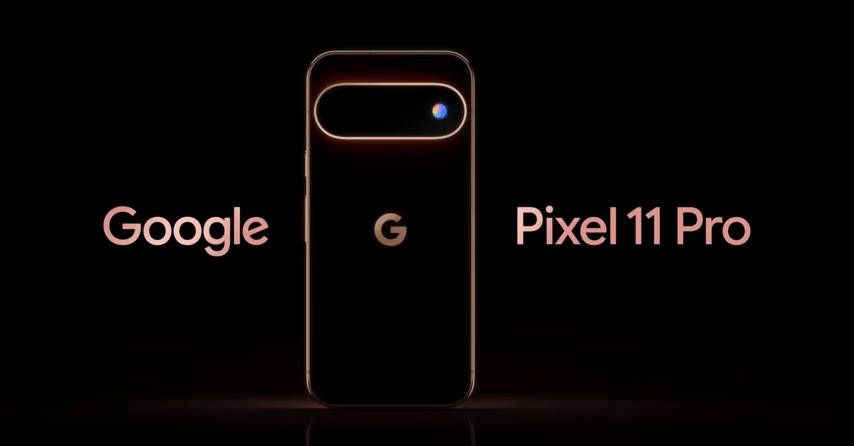
The Pixel 11 Roadmap: What to Expect Ahead of the August Launch
With the highly anticipated August 12th event fast approaching, the tech community is buzzing over a fresh wave of leaks regarding Google’s upcoming flagship series. Industry veteran Terrence O’Brien, who has tracked the evolution of consumer electronics for nearly two decades, notes that the latest reports align closely with the rumors that have been circulating for months.
Pricing Shifts and Storage Upgrades
The most significant takeaway from the latest data provided by Android Headlines is a strategic shift in the entry-level pricing. Consumers should prepare for a $100 price hike across the board.
However, Google is attempting to soften the blow by doubling the base storage capacity. The standard Pixel 11 will now start at $899, but it will ship with 256GB of internal storage rather than the 128GB found in previous iterations. This move mirrors a broader industry trend where manufacturers are prioritizing higher baseline storage to accommodate the increasing file sizes of high-resolution photos and 4K video content.
Hardware Specifications: The Tensor G6 and RAM Adjustments
Under the hood, the entire Pixel 11 family will be powered by the new Tensor G6 processor, paired with the updated Titan M3 security chip. While the processing power is expected to see a boost, there is a controversial change regarding memory.
Both the Pixel 11 Pro and the Pixel 11 Pro XL are reportedly seeing a reduction in RAM, dropping to 12GB. This decision comes alongside steeper price tags:
* Pixel 11 Pro: Starting at $1,099
* Pixel 11 Pro XL: Starting at $1,299
This “RAMageddon” trend-where manufacturers trim memory to manage costs or optimize thermal performance-has also impacted the high-end Pixel 11 Pro Fold, which will see similar memory constraints.
Camera Capabilities and Display Tech
For photography enthusiasts, the standard Pixel 11 appears to be moving toward a more streamlined approach. Reports suggest the device will abandon the dedicated telephoto lens, opting instead for a dual-camera rear array. Conversely, the Pro-tier models are expected to retain the sophisticated camera architecture introduced with the Pixel 10 series, maintaining consistency for power users.
Regarding the visual experience, the display technology remains largely iterative. Those hoping for a massive leap in screen hardware may be disappointed, as the panels appear to be carryovers from the previous generation, focusing on refinement rather than radical innovation.