


The Thermal Limits of Autonomy: When Hardware 3 Hits a Wall
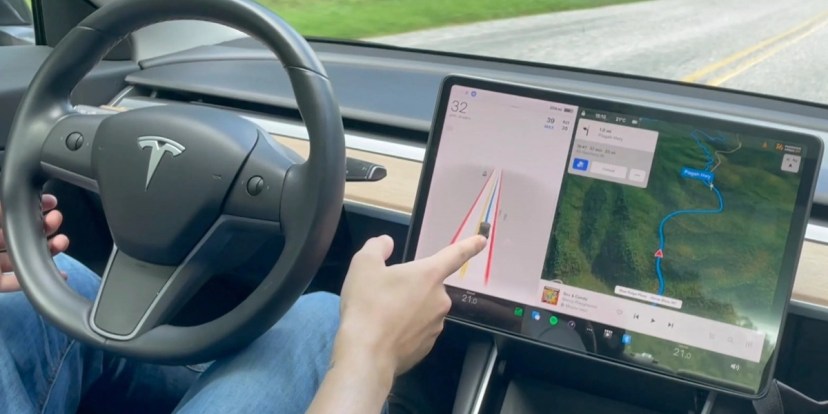
The landscape of driver fatigue has shifted dramatically. In the past, long-distance travel anxiety was defined by the fear of running out of fuel or a mechanical breakdown. Today, it manifests as a sudden, jarring alert: a crimson steering wheel icon flashes on your dashboard, accompanied by an insistent chime signaling that your vehicle’s automated systems have abruptly quit. You are mid-commute, relying on the car’s software to manage lane positioning, only for the system to effectively “resign” without warning. Beneath the dashboard, the vehicle’s onboard computer is working at maximum capacity, struggling to process complex visual data while its internal temperatures climb to critical levels.
The Silicon Overheat Crisis
This phenomenon of “silicon BBQ”-where processing units become thermally throttled due to excessive computational demand-has become a growing concern for owners of older electric vehicles. The primary catalyst for these performance issues is the deployment of Full Self-Driving v14 Lite. Released in the latter half of 2026, this software iteration was engineered as a streamlined, compressed version of the sophisticated FSD stack originally developed for the more robust Hardware 4 (HW4) architecture.
Why Legacy Hardware Struggles
The core issue lies in the disparity between software evolution and hardware longevity. While Tesla’s latest algorithms are designed to handle increasingly nuanced edge cases-such as complex construction zones or erratic pedestrian behavior-the Hardware 3 (HW3) chips were never intended to run such heavy, unoptimized code. Recent telemetry data suggests that when these older units are tasked with the v14 Lite update, they operate at near-peak power consumption for extended periods. Much like a high-end gaming laptop attempting to run a next-generation title on outdated graphics hardware, the system eventually hits a thermal ceiling, forcing a shutdown to prevent permanent hardware damage.
As legal and regulatory scrutiny intensifies regarding the safety and reliability of these driver-assistance features, the pressure to keep legacy fleets “up to date” has created a paradox: the more advanced the software becomes, the less capable the older hardware is of running it safely. For many drivers, the convenience of automation is currently being overshadowed by the reality of hardware limitations.