




A New Era of Computing: Lenovo’s Upcoming Googlebook Hardware
The landscape of portable computing is on the verge of a significant shift as we get our first glimpse of the highly anticipated “Googlebook.” Moving beyond the traditional Chromebook framework, this new hardware represents a bold departure in design and functionality. Lenovo has offered an exclusive preview to Digital Citizen, showcasing a device that redefines the aesthetic and operational standards of modern laptops. Furthermore, reports from Android Headlines highlight a versatile two-in-one tablet currently in development, which leverages the same innovative operating system powering the Googlebook.
Design Innovations and AI Integration
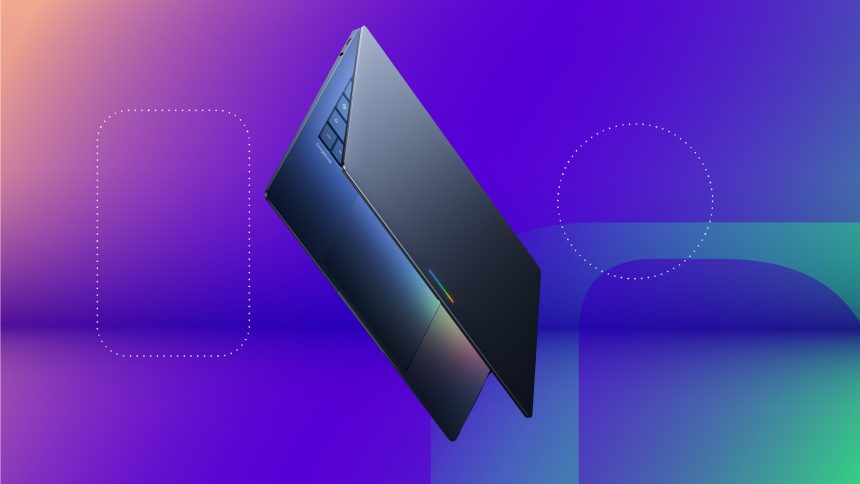
The flagship model, dubbed the Lenovo Googlebook 15, centers around a sprawling 15.6-inch display. Early visual leaks reveal a sophisticated design language, characterized by ultra-slim bezels and a premium, sleek chassis that prominently features Google branding.
Beyond the physical hardware, the device is expected to be a powerhouse of software efficiency. Industry analysts suggest that the integration of advanced AI capabilities will be a core selling point, allowing the operating system to predict user needs and streamline workflows more effectively than previous ChromeOS iterations. This shift mirrors the broader industry trend where AI-driven hardware-such as the recent surge in “Copilot+” PCs-is becoming the new benchmark for productivity.
Market Context and Future Outlook
While the official details remain under wraps, the industry is buzzing with speculation. Neither Google nor Lenovo has provided formal statements regarding these leaks, leaving enthusiasts to analyze the potential impact of this hardware on the current market.
As of 2024, the global laptop market continues to prioritize portability and battery longevity, yet there is a growing demand for devices that can handle complex machine learning tasks locally. By merging a refined, high-end aesthetic with a next-generation OS, Lenovo and Google appear to be positioning the Googlebook as a direct competitor to premium ultrabooks, aiming to capture a segment of the market that requires more than just a basic web-browsing experience.