




### Crypto PAC Strategy Faces Hurdles in Detroit Primary
The political influence of the cryptocurrency sector recently encountered a notable obstacle in Michigan. Despite a massive financial injection from Fairshake-the industry’s most prominent political action committee-the organization failed to secure a victory for its preferred candidate in a key Detroit Democratic primary.
#### A Costly Defeat for Digital Asset Advocacy
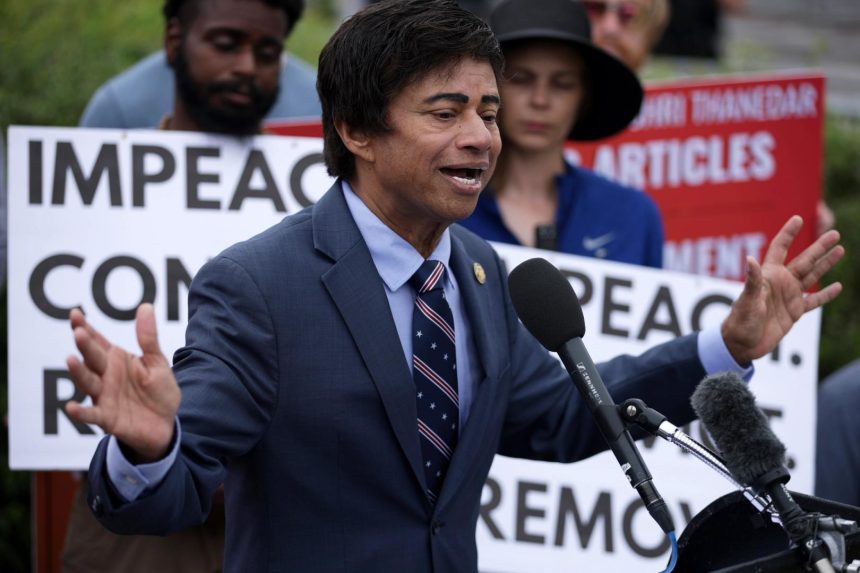
Fairshake funneled upwards of $2 million into the campaign of U.S. Representative Shri Thanedar, aiming to bolster his bid for reelection. However, the investment did not yield the desired outcome. Thanedar, who has been a vocal proponent of the industry and a co-sponsor of the Digital Asset Market Clarity Act, was defeated by progressive challenger Donavan McKinney.
This loss is particularly stinging for crypto lobbyists. Thanedar was viewed as a reliable legislative partner who actively championed policies favorable to blockchain innovation. In contrast, McKinney, who aligns with democratic socialist platforms, has not established a clear stance on digital asset regulation, leaving the industry’s future relationship with the district’s representation uncertain.
#### Mixed Results Across the National Landscape
While the Detroit race serves as a reminder that campaign spending does not guarantee electoral success, it would be inaccurate to characterize the night as a total failure for the crypto lobby. Data from recent election cycles suggests that the industry’s influence is expanding; for instance, recent reports indicate that crypto-backed candidates have seen a success rate of over 80% in various primary contests across the country this year.
On the very same evening that Thanedar fell in Detroit, Fairshake and its affiliated groups celebrated several victories in other congressional races across Michigan and Washington. These wins suggest that while the industry may face localized resistance, its broader strategy of backing pro-crypto incumbents and challengers remains largely effective on a national scale.
#### The Evolving Political Calculus
The defeat of a high-profile ally like Thanedar highlights the limitations of “checkbook politics.” Even with millions in backing, candidates must still navigate the shifting priorities of local voters, who may be more focused on traditional progressive issues than on the nuances of financial technology regulation.
As the industry continues to pour capital into the 2026 election cycle, the focus will likely shift toward refining how these funds are deployed. The goal remains clear: to ensure that the next Congress is populated by lawmakers who understand the complexities of the digital economy. Whether this strategy can overcome grassroots opposition in urban districts remains one of the most compelling storylines in modern campaign finance.

![[Event Review / Photography] Tinlicker Mesmerizes in Chicago to Commence North America Tour](https://www.mixtv1.com/wp-content/uploads/2026/09/36450-attachment.jpg)