



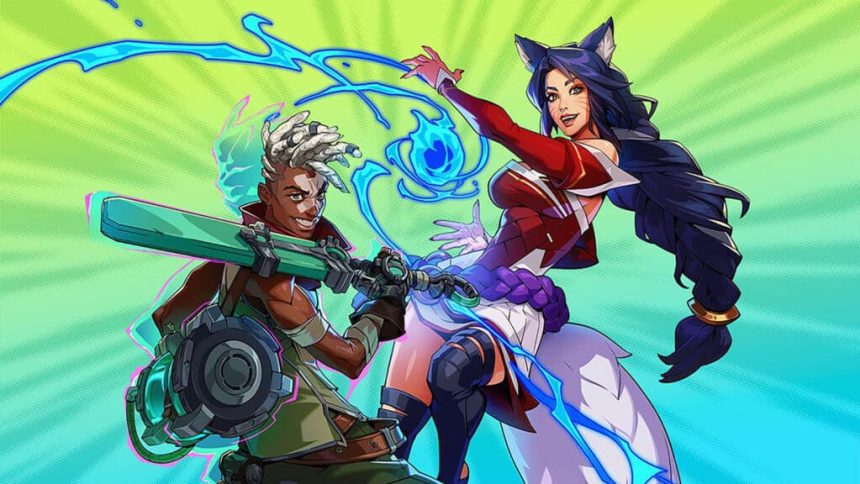

The 2XKO Downfall: Why Riot’s Fighter Failed to Find Its Footing
For some time, I have maintained a skeptical outlook regarding the longevity of 2XKO. While it has become a common trope in the esports world to label any struggling title as “dead on arrival,” my assessment of Riot Games’ foray into the fighting game genre was rooted in a specific timeline: I predicted that by 2027, the project would likely be shuttered.
A Barrier to Entry: The Complexity Trap
The development team behind 2XKO possessed an undeniable depth of knowledge regarding the Fighting Game Community (FGC). Ironically, this expertise became a double-edged sword. By designing a title that catered almost exclusively to high-level mechanical mastery and “try-hard” optimization, they inadvertently alienated the casual player base. Unlike titles that offer a smooth onboarding process, 2XKO felt like a steep climb that required a professional-level commitment just to grasp the basics. While some industry peers argued that the game would carve out a permanent niche within the FGC, the reality was that the barrier to entry was simply too high for the average gamer.
Misreading the Market: Riot’s Monetization Misstep
The disconnect between Riot Games’ corporate strategy and the actual culture of the FGC played a pivotal role in the game’s decline. Riot approached the project with the assumption that the fighting game audience would mirror the spending habits of their League of Legends or VALORANT player bases, specifically regarding the purchase of premium, high-cost cosmetics.
This was a fundamental miscalculation. The FGC historically prioritizes gameplay integrity and competitive balance over aesthetic microtransactions. When the expected revenue streams failed to materialize, Riot’s leadership quickly pivoted, citing that the title’s growth trajectory was insufficient to support the overhead of such a massive development team. As I previously noted, the failure to align the game’s business model with the community’s values was the final nail in the coffin.
The Current Landscape
Recent industry data suggests that fighting games require a delicate balance of accessibility and depth to survive in a saturated market. With the genre seeing a resurgence through more inclusive titles, 2XKO’s rigid design philosophy left it isolated. Ultimately, the decision to scale back operations reflects a broader trend where even industry giants struggle when they fail to listen to their target demographic.