



Digital Trends may earn a commission when you buy through links on our site. Why trust us?
The Shift Toward Long-Term Debt: Analyzing T-Mobile’s EIP Flex 36
Whenever a major wireless provider advertises a “zero down” promotion, seasoned consumers usually look for the catch hidden in the fine print. T-Mobile, currently holding its position as the second-largest mobile network operator in the U.S., has introduced a new strategy that appears consumer-friendly on the surface but signals a broader industry shift toward extended debt cycles.
Understanding the EIP Flex 36 Model
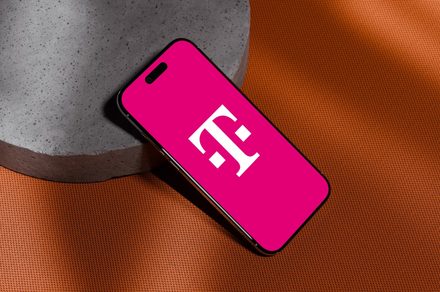
The carrier recently launched EIP Flex 36, a financing structure that fundamentally alters the standard device purchase agreement. While the industry has long relied on 24-month installment plans, this new initiative pushes the repayment window to a full 36 months. By extending the timeline, T-Mobile is effectively lowering the monthly barrier to entry for high-end flagship smartphones.
Why Upfront Costs Are Disappearing
Traditionally, purchasing a premium device involved immediate out-of-pocket expenses. Even with installment plans, customers were often required to cover sales tax, activation fees, or security deposits at the point of sale. These costs can easily add $100 to $200 to the initial transaction, acting as a friction point for many buyers.
The primary appeal of EIP Flex 36 is its ability to absorb these miscellaneous charges directly into the monthly installment bill. By eliminating the “checkout shock,” the carrier makes it significantly easier for users to upgrade to the latest hardware without needing immediate liquidity.
The Trade-off: Is Three Years Too Long?
While the convenience of a smaller monthly payment is undeniable, this transition reflects a growing trend in the telecommunications sector: locking customers into longer service commitments. According to recent market data, the average smartphone replacement cycle has stretched to nearly three years, up from roughly 24 months in the mid-2010s. By aligning financing plans with these longer usage habits, carriers are essentially ensuring that customers remain tethered to their network for the entire lifespan of the device.
Think of it like a long-term lease on a vehicle; while the monthly payment is manageable, you are essentially committing to a three-year cycle of debt. If you decide to switch carriers or upgrade your device before the 36-month term concludes, you may find yourself with a significant remaining balance that must be settled immediately, potentially complicating your ability to move to a competitor.