
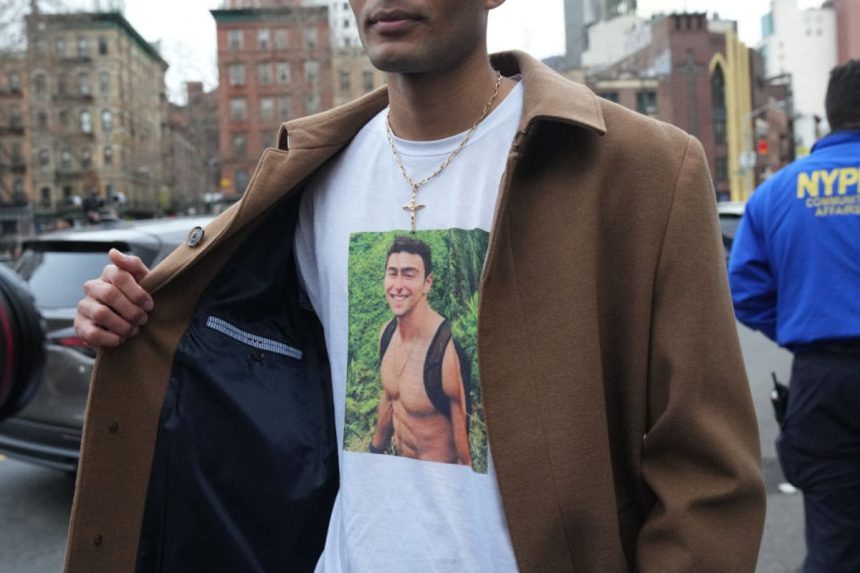
The Digital Myth-Making Surrounding Luigi Mangione
Following the December 2024 apprehension of Luigi Mangione regarding the homicide of UnitedHealthcare executive Brian Thompson, the online landscape underwent a predictable, albeit jarring, transformation. Rather than focusing solely on the gravity of the criminal proceedings, social media platforms rapidly pivoted toward irony, turning a high-profile murder case into a canvas for internet subculture.
From Legal Defendant to Viral Icon
Despite Mangione entering a plea of not guilty regarding both the federal stalking allegations and the second-degree murder charges in New York, the digital narrative took a surreal turn. A significant portion of the online discourse began to frame him not as a suspect, but as a folk hero. This romanticized version of Mangione portrayed him as a stylish, charismatic figure who had successfully struck fear into the hearts of corporate executives within the healthcare sector.
The Mechanics of Online Satire
The memes that emerged during this period varied significantly in their intent and execution:
* Political Allegory: Some users utilized classic cinematic tropes to articulate deep-seated frustrations with wealth inequality. A notable example involved a clip from the animated film A Bug’s Life. In the scene, the antagonist Hopper explains that the ants must be kept in check to maintain the status quo. By overlaying this onto the Mangione narrative, creators were suggesting that the public’s fascination was a reaction to the perceived systemic oppression by corporate elites.
* Absurdist Commentary: Other content leaned into the bizarre. This included “thirst-trap” style edits focusing on his appearance in court and satirical marketing campaigns. For instance, after reports surfaced that a McDonald’s worker tipped off authorities, mock advertisements for rival chains like Burger King appeared, jokingly positioning themselves as the “pro-fugitive” alternative.
Why We Turn Tragedy into Memes
This phenomenon is not entirely new. Sociologists often point to “dark humor” as a coping mechanism for a generation facing economic instability and disillusionment with institutional power. According to recent data from the Pew Research Center, over 60% of Gen Z adults report feeling significant stress regarding the current state of the economy and corporate accountability. When traditional avenues for political change feel blocked, the internet often resorts to “meme warfare” to reclaim a sense of agency.
By transforming a violent event into a series of shareable, ironic images, the public effectively strips the situation of its immediate horror, replacing it with a narrative that fits their own ideological frustrations. Whether this reflects a genuine shift in societal values or merely the fleeting nature of viral attention remains a subject of intense debate among digital media scholars.