



The Evolution of Smart: From Micro-Car to High-Voltage Crossover
The term “Smart” once conjured a singular image: a quirky, two-seater micro-car with a plastic shell, designed primarily to squeeze into impossible parking spots as a statement of urban defiance. These compact city commuters were undeniably unique, thriving in the chaotic rhythm of metropolitan life. However, the brand has undergone a radical transformation. Following the strategic partnership between Mercedes-Benz’s design prowess and Geely’s engineering infrastructure, the brand has abandoned its niche roots to embrace a new, electrified identity.
### A Rapid Shift in Strategy
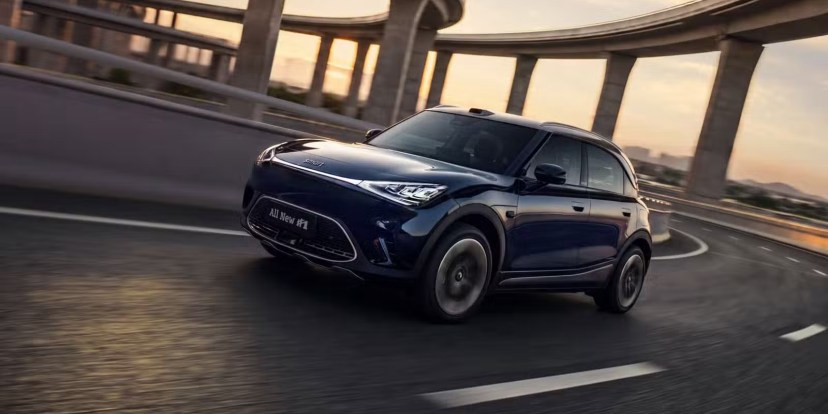
The debut of the Smart #1 crossover served as the initial proof of this bold pivot. Yet, in the hyper-competitive landscape of the Chinese electric vehicle sector, stagnation is the enemy of survival. With new models launching at a breakneck pace, a vehicle that remains unchanged for even a year and a half risks fading into irrelevance.
### Engineering the Future: The 800V Upgrade
To maintain its competitive edge, Smart has implemented a significant mid-cycle update for the #1. The most critical change is the transition from the previous 400V electrical architecture to a cutting-edge 800V silicon carbide (SiC) system.
This shift is more than just a technical specification; it is a fundamental improvement in efficiency and performance. By adopting 800V technology-a standard increasingly favored by premium EV manufacturers to reduce heat loss and enable ultra-fast charging-Smart is positioning itself to compete with the industry’s top-tier performers. This upgrade allows for significantly faster energy intake, drastically reducing downtime at charging stations and ensuring the vehicle remains a viable, high-tech option for modern drivers who demand both speed and convenience.