






Why The Honeymooners Remains the Undisputed Blueprint for Modern Comedy
CBS
We may receive a commission on purchases made from links.
The Foundational DNA of Television Sitcoms
It is nearly impossible to consume modern television without encountering the echoes of 1955’s The Honeymooners. While many viewers today might view it as a relic of a bygone era, the series actually functions as the primary architectural blueprint for the half-hour comedy. Alongside the revolutionary impact of 1951’s “I Love Lucy,” Jackie Gleason’s masterpiece codified the tropes, pacing, and character dynamics that define the genre to this day. If you were to excise this show from the annals of entertainment history, the landscape of modern streaming and network comedy would collapse entirely.
The Archetype of the Flawed Protagonist
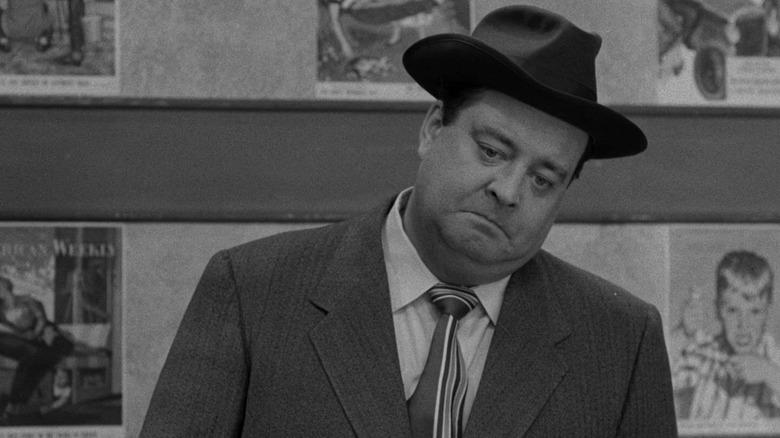
The influence of Ralph Kramden, portrayed with volcanic intensity by Gleason, cannot be overstated. He is the original “lovable loser”-a blue-collar worker defined by his volatile temper, get-rich-quick schemes, and a penchant for bowling and billiards. Modern television is saturated with variations of this archetype. From the bumbling, well-meaning patriarchs of the 1990s to the cynical, frustrated anti-heroes of contemporary cable dramas, the DNA of the “Kramden-esque” protagonist is present in almost every leading man who struggles to balance his grand ambitions with his working-class reality.
A Legacy That Transcends Its Era
While the show only ran for a single season of 39 episodes-often referred to as the “Classic 39”-its brevity is precisely what makes it a masterpiece. Unlike modern shows that often suffer from “seasonal rot” or diluted narratives, The Honeymooners maintained a razor-sharp focus on the domestic friction between Ralph and his wife, Alice. This dynamic established the “battle of the wits” trope that would later be refined by shows like The Simpsons or Family Guy.
Statistically, the show’s reach is staggering; even decades after its cancellation, it remains a staple of syndication, proving that its core themes of economic anxiety and marital resilience are universal. By stripping away the high-concept gimmicks of today’s comedies, The Honeymooners reminds us that the most effective humor is rooted in the relatable, everyday frustrations of the human condition.