


### The Shift to Commercial Autonomy: Zoox Enters the Paid Robotaxi Market
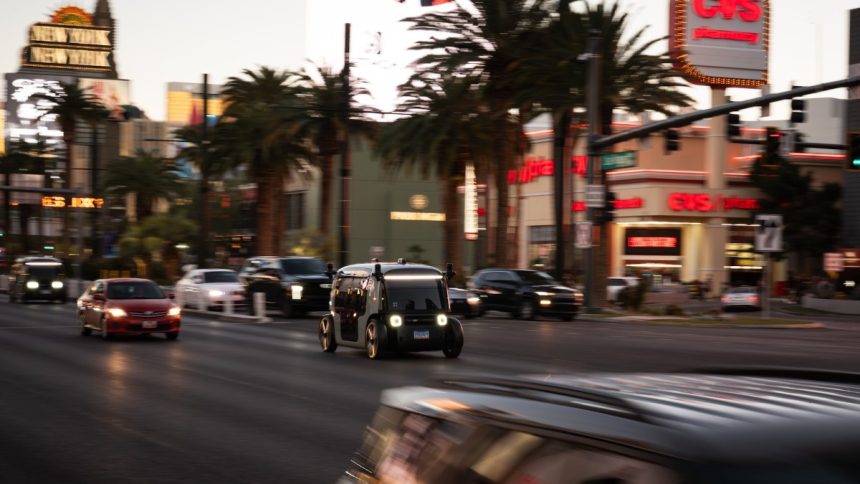
The landscape of autonomous transportation is undergoing a significant transformation as Amazon’s subsidiary, Zoox, transitions from experimental testing to a full-scale commercial operation. While the company has spent considerable time refining its purpose-built robotaxis on the streets of San Francisco and Las Vegas, the true litmus test for any autonomous vehicle (AV) firm is the ability to generate revenue through public service.
#### Regulatory Milestones and the Path to Profitability
For years, the primary hurdle for Zoox was not just the software, but the hardware design itself. Because their vehicles are engineered without human-centric interfaces-specifically lacking steering wheels, brake pedals, and traditional dashboards-they fall outside the scope of standard federal motor vehicle safety regulations.
To bridge this gap, the National Highway Traffic Safety Administration (NHTSA) has granted a pivotal exemption. While previous regulatory approvals were limited to demonstration and testing phases, the new mandate, effective August 10, authorizes Zoox to deploy a fleet of up to 2,500 vehicles for commercial use over the next two years. This regulatory green light is the catalyst that turns a high-tech research project into a viable business model.
#### Scaling Beyond the Pilot Phase
The transition to paid rides is a critical inflection point for the industry. By moving into new markets like Austin and Miami, Zoox is signaling that its technology is robust enough to handle diverse urban environments.
The significance of this move cannot be overstated. In the broader context of the AV sector, companies are currently racing to prove that their unit economics can support long-term growth. With the global autonomous vehicle market projected to reach significant valuations by the end of the decade, Zoox’s ability to operate a commercial fleet without human intervention places it in a competitive tier alongside industry giants like Waymo and Uber’s evolving AV partnerships.
#### Why This Matters for the Future of Mobility
The move toward commercialization is more than just a corporate milestone; it represents a shift in how urban infrastructure will be utilized. As these vehicles begin to collect fares, the data gathered will be instrumental in optimizing traffic flow and reducing the reliance on private vehicle ownership. By securing this federal exemption, Zoox has effectively cleared the most daunting bureaucratic barrier to entry, setting the stage for a new era of driverless public transit.