



### Navigating the Quiet Charm of Bukchon: Seoul’s Living Heritage
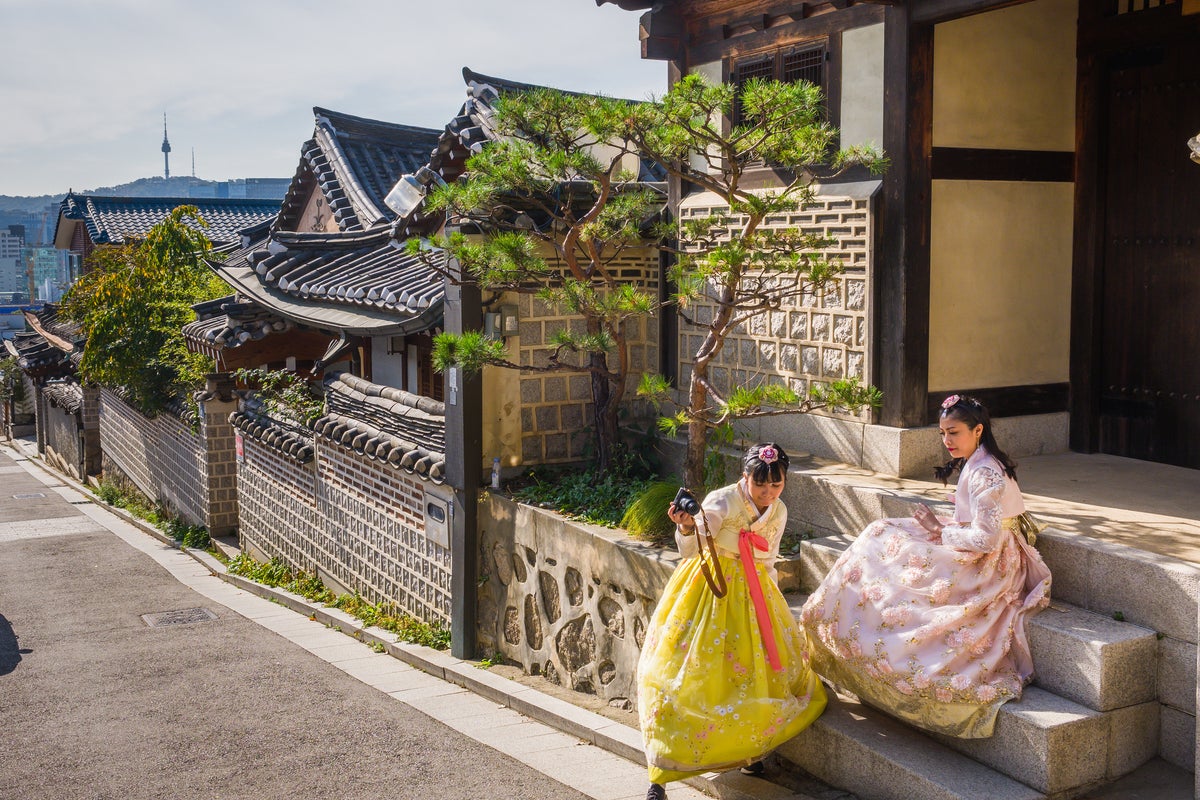
A sharp “Shh!” cuts through the air as our guide gestures for silence. We are navigating the narrow, winding alleys of Bukchon Hanok Village, a historic enclave nestled in the heart of Seoul, just a stone’s throw from the majestic Gyeongbokgung Palace. The streets are a sea of visitors, many sporting vibrant *hanbok*-traditional Korean attire rented from nearby boutiques-while maneuvering selfie sticks to capture the perfect shot of the neighborhood’s iconic, wing-tipped rooflines.
#### A Residential Neighborhood, Not a Theme Park
While donning these flowing jackets and voluminous skirts has become a quintessential Seoul experience, it is vital to remember that Bukchon is not a curated museum exhibit. It is a functioning residential district. Tucked away in this dense urban maze are roughly 900 *hanoks*, the traditional wooden homes that define the area’s aesthetic.
The reality of living in such a high-traffic zone has necessitated strict boundaries. My guide’s insistence on quiet wasn’t merely a suggestion; it is a necessity for the residents who call this place home. With nearly 6.4 million travelers visiting the district each year, the strain of overtourism has forced local officials to take action. Today, you will find uniformed “tourism rangers” patrolling the streets, alongside prominent signage requesting silence and strictly enforced curfews to protect the privacy of those living behind the wooden gates.
#### The Rarity of Traditional Living
For the average Seoulite, the *hanok* lifestyle is just as much of a novelty as it is for international travelers. In a sprawling metropolis of nearly 9.6 million people, the vast majority of residents live in modern, high-rise apartment complexes. The traditional *hanok* has become an endangered architectural species; only about 4,500 of these structures remain standing across the entire city, with the highest concentration found in the central Jongno-gu district.
As urban development continues to push upward, these low-rise pockets serve as a fragile link to Korea’s past. Preserving them requires a delicate balance between welcoming the world to witness Korean history and ensuring that the neighborhood remains a livable, peaceful environment for its inhabitants.