




### The German Engineering Paradox: Why the Audi Q6 e-tron Defies the EV Range Myth
For decades, the hallmark of German automotive engineering was a subtle, unspoken pact with the consumer: manufacturers would conservatively estimate performance figures, only for the actual vehicle to shatter those expectations. During the reign of the internal combustion engine, a luxury sedan marketed with 500 horsepower would frequently dyno at 550, creating a delightful “bonus” for the buyer. This culture of under-promising and over-delivering became the gold standard for brands like BMW, Mercedes-Benz, and Audi.
However, the transition to electric mobility has introduced a frustrating “Wild West” dynamic. In the current landscape, official range estimates-whether derived from EPA or WLTP testing cycles-often feel like optimistic marketing fluff. Drivers frequently find themselves white-knuckling it on the highway, watching their remaining range plummet far faster than the dashboard promised, turning routine road trips into stressful hunts for the nearest charging station.
#### A Shift in the Electric Paradigm
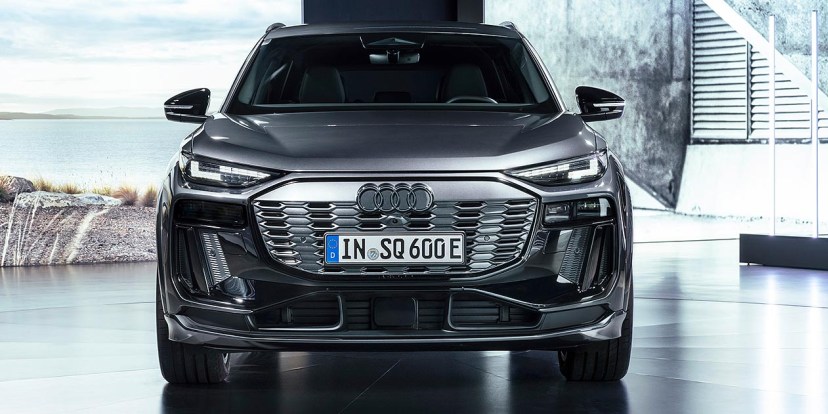
While many manufacturers struggle to meet their own advertised efficiency metrics, the Audi Q6 e-tron has emerged as a refreshing outlier. Rather than falling victim to the industry-wide trend of range inflation, Audi has engineered a vehicle that actively challenges the status quo.
Recent real-world testing suggests that the Q6 e-tron is not just meeting its efficiency targets; it is consistently exceeding them. This is a significant departure from the norm, where real-world range often falls 10% to 20% short of the sticker value due to factors like high-speed drag, climate control usage, and battery degradation. By prioritizing thermal management and advanced power electronics, Audi has managed to reclaim the “over-deliver” philosophy that once defined German manufacturing.
#### Why Real-World Performance Matters
The importance of this achievement cannot be overstated. As EV adoption moves from early adopters to the mass market, consumer confidence is heavily tied to predictability. When a vehicle’s range is reliable, it removes the “range anxiety” that remains the primary barrier to entry for many potential buyers.
By delivering a vehicle that performs better in the wild than it does on a spreadsheet, Audi is signaling a return to the core values of precision engineering. It is a quiet rebellion against the industry’s tendency to prioritize marketing numbers over actual driver experience, proving that the transition to electric power doesn’t have to come at the expense of reliability.