




## Jaguar’s Bold Pivot: Trading Theatricality for Architectural Minimalism
There was a time when Jaguar possessed an undeniable flair for the dramatic. I fondly recall the XF, a vehicle that felt less like a sedan and more like a curated performance in a West End theater. The experience was tactile and deliberate: upon hitting the ignition, the gear selector would gracefully ascend from the console, while the climate control vents performed a synchronized rotation, revealing themselves like hidden stagecraft. It was a masterclass in automotive showmanship, proving that Jaguar once grasped the fundamental truth that true luxury requires a touch of theater.
### From Mechanical Theater to Architectural Purity
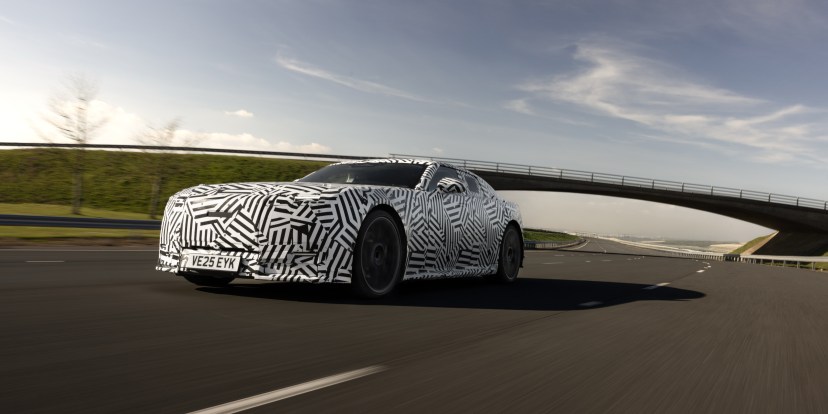
As the Coventry-based manufacturer prepares to sever its ties with internal combustion engines, it is undergoing a radical metamorphosis. Jaguar is currently positioning itself to compete in the ultra-luxury segment, a move that necessitates a complete departure from its previous design language. Rather than relying on the mechanical “tricks” of the past, the brand is embracing a stark, architectural approach to interior design.
This shift is not merely a stylistic choice; it is a strategic necessity. In an era where the automotive market is increasingly saturated with “appliance-like” electric vehicles-cars that prioritize utility over soul-Jaguar is attempting to carve out a niche defined by high-concept minimalism.
### The High-Stakes Gamble of Modern Design
This transition is arguably even more polarizing than the brand’s recent exterior design choices. By stripping away the ornate, moving parts that once defined the “Jaguar experience,” the company is betting that future ultra-luxury buyers will value spatial purity over mechanical spectacle.
Industry data suggests this is a calculated risk. According to recent market analysis, the ultra-luxury EV segment is projected to grow by nearly 15% annually through 2030, with consumers increasingly favoring “digital sanctuaries” over traditional cockpit layouts. Jaguar is clearly banking on the idea that by removing the clutter, they can create a more serene, gallery-like environment that appeals to a modern, design-conscious demographic. Whether this move will alienate long-time enthusiasts or successfully redefine the brand for a new generation remains the industry’s most compelling question.