
Quick sequels look stale to players whose neurons are burning out on endless microdoses of novelty – only standout launches cut through the noise
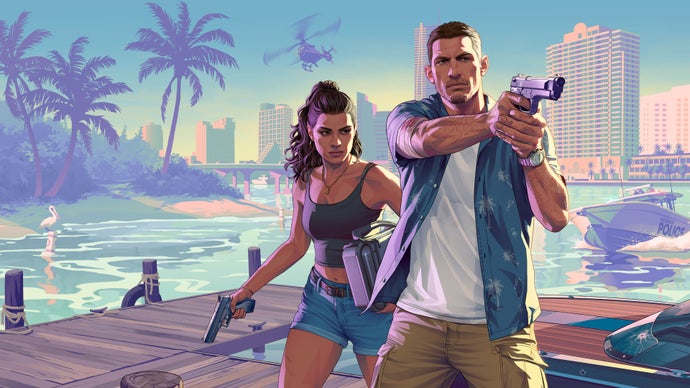
Image credit: Rockstar Games
For almost as long as the games industry has existed, the conventional wisdom around sequels has remained the same: strike while the iron is hot. If you have a hit game, ensure you get a sequel out the door before the public loses interest. If you have more than one hit in a row, that’s a franchise, and those need a steady release cadence to ensure the brand’s momentum doesn’t falter.
No amount of eyerolling about endless sequel-itis or pining for more original games has ever made a dent in that relentless logic. Successful games got rapid sequels; really successful games spawned franchises that publishers would go to great lengths to turn out on as regular a schedule as possible. On some of the biggest franchises, publishers would even swap different development studios in and out across different iterations to ensure that when a new game launched, the next instalment was already deep in development.
My use of the past tense here is deliberate, because over the past decade or so,