





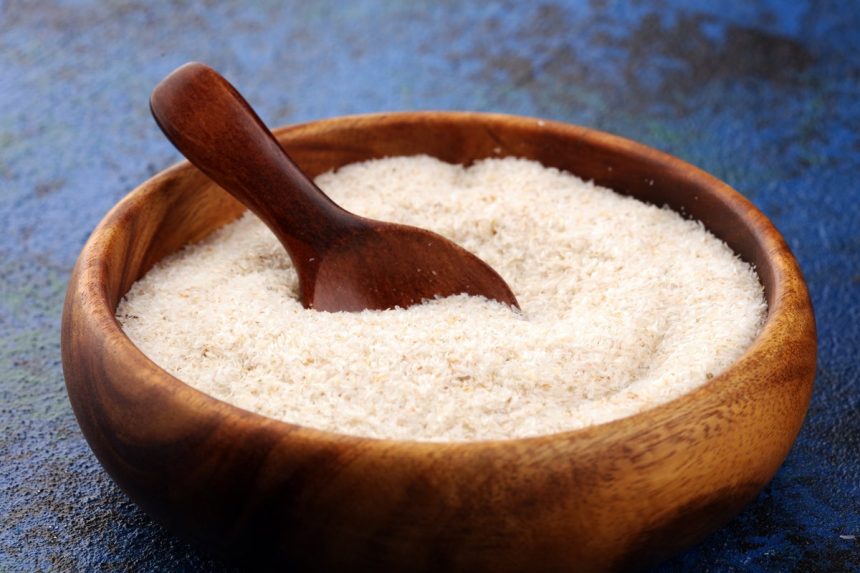
The Rise of Psyllium Husk: Why This Fibre Supplement is Trending
Every season brings a new wellness obsession, from the muscle-building promises of creatine to the calming effects of magnesium. Currently, gut health advocates and nutrition experts are fixated on psyllium husk. Derived from the seeds of the Plantago ovata shrub-a plant primarily cultivated in the Indian states of Rajasthan, Gujarat, and Madhya Pradesh-this supplement is gaining massive traction. Beyond its traditional use for digestive regularity, proponents claim it can help manage cholesterol, stabilize blood glucose, and assist in weight loss. Its popularity has surged so dramatically that some online influencers have even dubbed it “nature’s Ozempic.”
Bridging the Fibre Gap
While psyllium husk has been a staple recommendation in clinical settings for years to treat digestive issues, it has recently crossed over into mainstream lifestyle culture. This shift is largely driven by a sobering statistic: nearly 96 per cent of the UK population fails to meet the recommended 30g daily intake target for fibre. As consumers scramble to improve their gut microbiome, social media has responded in kind, with over 26,500 dedicated posts on TikTok and more than 63,300 features on Instagram highlighting the supplement’s versatility.
The Science of Gel-Formation
The secret behind the efficacy of psyllium husk lies in its high mucilage content. This specific form of soluble fibre acts like a sponge; when it encounters liquid, it undergoes a transformation, thickening into a viscous gel. As this gel moves through the gastrointestinal tract, it absorbs water and binds to waste, which is why it is so effective at promoting satiety and digestive flow. By slowing down the emptying of the stomach, it helps prevent the rapid blood sugar spikes often associated with processed carbohydrates, providing a steady release of energy throughout the day.