




## Mid-Air Confusion: How a Veteran Controller Prevented a Rare Aviation Blunder
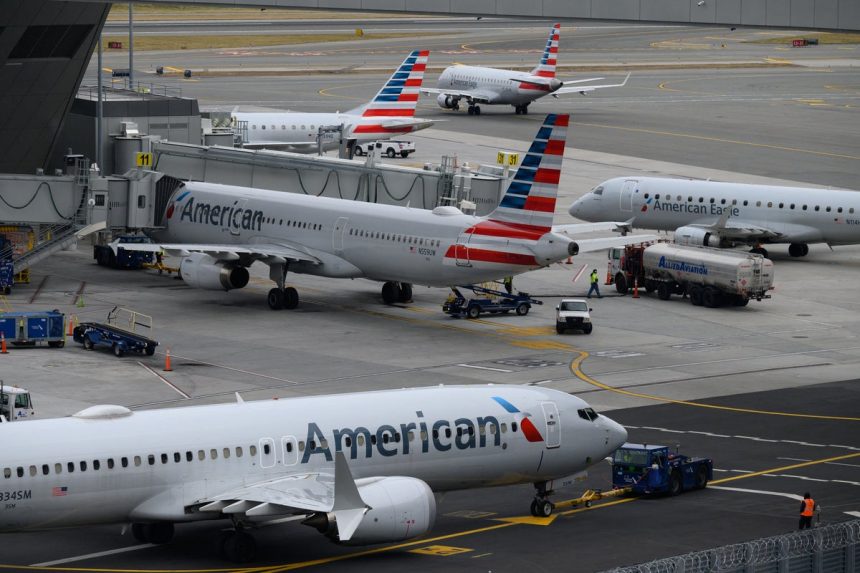
In a high-stakes scenario that highlights the vital importance of human oversight in aviation, a seasoned air traffic controller in Phoenix successfully managed a potentially catastrophic situation late Friday night. The incident was triggered by a rare administrative error: two American Airlines aircraft were simultaneously operating under the exact same flight number, “American 2482.”
### The Challenge of Duplicate Call Signs
The confusion unfolded shortly after midnight when one American 2482 was inbound from Chicago, while another aircraft bearing the same identifier was preparing for departure. In the world of aviation, call signs are the primary method for pilots and controllers to communicate; having two planes share an identity creates a significant risk of miscommunication, which could lead to dangerous altitude conflicts or navigation errors.
Reflecting on the rarity of the event, the controller remarked, “I’ve been working air traffic for 25 years. I’ve never seen two aircraft pretty much merge with the same call sign. That’s pretty incredible.”
### Precision Management in Real-Time
To mitigate the risk, the controller immediately implemented a clear verbal distinction, explicitly addressing the pilots as “American 2482 on the arrival” and “American 2482 on the departure.” By establishing this linguistic boundary, the controller ensured that every instruction was attributed to the correct aircraft, preventing any ambiguity that could have resulted in a mid-air collision.
Beyond clear communication, the controller utilized standard separation protocols to maintain safety. By keeping the arriving flight at a higher altitude than the departing jet, the controller created a vertical buffer. Furthermore, the controller facilitated visual confirmation between the two flight crews while they were still at a safe distance, ensuring both pilots were fully aware of the other’s position.
### The Broader Context of Aviation Safety
While modern aviation relies heavily on automated systems like TCAS (Traffic Collision Avoidance System), which provides automated alerts to pilots if planes get too close, this incident serves as a reminder that human vigilance remains the final line of defense. According to the Federal Aviation Administration (FAA), air traffic controllers manage over 45,000 flights daily in the U.S. alone. While duplicate flight numbers are extremely rare due to sophisticated scheduling software, human intervention remains essential when technical or administrative glitches occur.
This incident underscores the necessity of the “see and avoid” principle and the calm, decisive action required by controllers when faced with unexpected variables in the sky.