





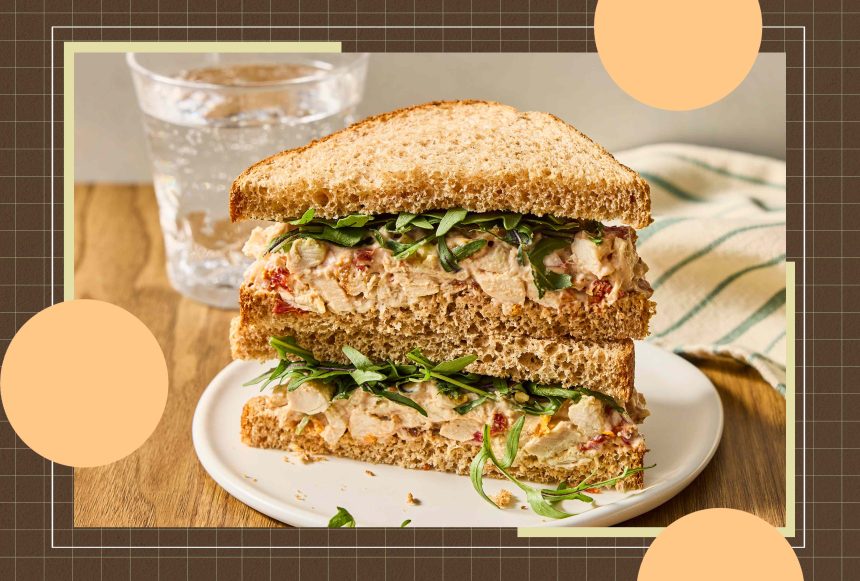
Smart Carbohydrate Choices: How to Keep Bread in Your Weight-Loss Plan
Many people embarking on a weight-loss journey immediately banish bread from their pantry, fearing that every slice will derail their progress. However, nutrition science suggests that you don’t need to adopt a strictly low-carb lifestyle to see results. The secret lies not in total elimination, but in selecting the right varieties that support satiety and metabolic health.
Why Bread Isn’t the Enemy
The common misconception that bread is inherently “fattening” ignores the nuance of fiber content and glycemic impact. When you choose refined white breads, you are consuming simple carbohydrates that spike blood sugar, leading to a quick crash and subsequent hunger. Conversely, high-quality, nutrient-dense breads can actually be a tool for weight management by providing sustained energy and keeping you full for longer periods.
Identifying the Ideal Loaf
When scanning the grocery aisle, look beyond the marketing buzzwords on the front of the package. To find a bread that aligns with your health goals, focus on these three pillars:
* Whole Grain Integrity: Ensure the first ingredient is a “whole” grain (such as whole wheat, rye, or oats). This guarantees you are getting the bran and germ, which contain essential vitamins and minerals.
* Fiber Density: Aim for at least 3 to 5 grams of fiber per slice. Fiber is the primary driver of satiety, helping to regulate your appetite throughout the day.
* Protein Content: Breads that incorporate seeds-like flax, chia, or sunflower-often provide a protein boost, which helps stabilize blood sugar levels after a meal.
Current Trends in Nutritional Science
Recent data from the Journal of Nutrition highlights that individuals who consume whole grains as part of a balanced diet often have a lower body mass index (BMI) compared to those who avoid them entirely. By swapping a standard white roll for a sprouted grain alternative, you aren’t just cutting calories; you are increasing your intake of magnesium and B vitamins, which are crucial for energy metabolism.
Practical Swaps for Your Daily Routine
Instead of viewing bread as a “cheat,” treat it as a vehicle for healthy fats and proteins. For example, rather than a plain bagel with cream cheese, try a slice of toasted sprouted-grain bread topped with smashed avocado and a poached egg. This combination provides healthy monounsaturated fats and high-quality protein, turning a simple snack into a balanced, muscle-supporting meal.
By prioritizing complex carbohydrates over processed alternatives, you can enjoy your favorite sandwiches and toast without compromising your weight-loss objectives.