

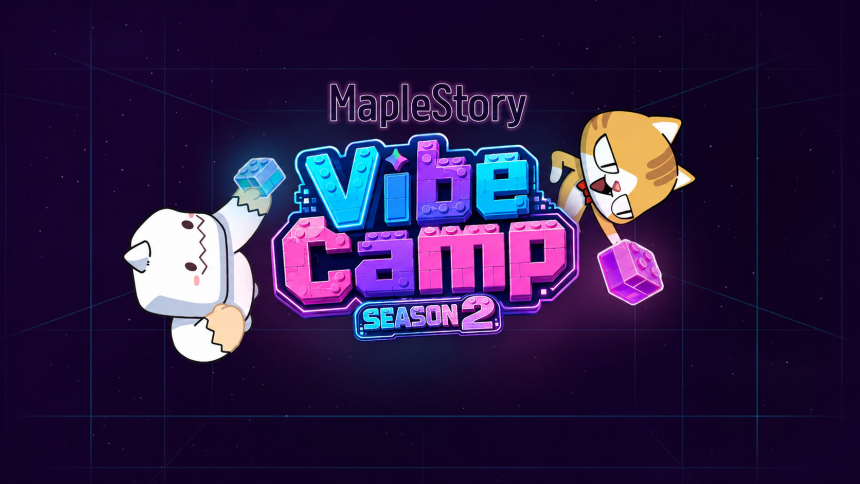
MapleStory Universe Pivots Vibe Camp Toward High-Retention Micro-Gaming
The second iteration of the MapleStory Universe (MSU) Vibe Camp has officially kicked off, marking a strategic evolution in how the platform leverages artificial intelligence. While the inaugural event focused on the broad potential of AI-assisted development, Season 2 narrows its scope significantly, prioritizing the creation of “sticky” experiences that keep players coming back for more.
Refining the Creative Brief: The “Short, Simple, Tense” Philosophy
Running from August 18th through September 15th, this latest challenge is hosted within the MSU Space-a specialized creator environment developed in partnership with the AI-driven game engine Verse8. Unlike the previous camp, which allowed for more experimental freedom, the current brief demands a disciplined approach to game design.
Participants are now tasked with building titles that adhere to a “short, simple, tense” framework. The core requirements for entries include:
- Rapid Engagement: Mechanics must be intuitive enough for a player to grasp within three seconds of starting.
- Micro-Sessions: Gameplay loops are optimized for one-to-two-minute bursts, perfect for mobile or casual desktop play.
- Instant Replayability: The design must feature immediate retry loops, minimizing friction between failure and the next attempt.
Why Retention is the New Metric for Success
This shift toward arcade-style, high-intensity gameplay reflects a broader trend in the gaming industry. According to recent data from industry analysts, games that feature “snackable” content-such as hyper-casual titles-often see 30-day retention rates significantly higher than complex, long-form experiences. By emphasizing tight controls and immediate feedback loops, MapleStory Universe is pushing its creator community to master the art of the “just one more try” phenomenon.
The judging criteria for this season have been adjusted to reflect these priorities. Rather than rewarding technical complexity or visual flair alone, the panel will place heavy weight on how effectively a game retains its audience and how responsive the controls feel during high-pressure moments. This evolution follows the momentum generated by the successful June debut of the Vibe Camp, which proved that AI tools could drastically lower the barrier to entry for game developers.
For those looking to participate or track the progress of these AI-generated projects, further details can be found here: » More Info >>>