


Emma Roth is a seasoned journalist specializing in the evolving landscapes of streaming platforms, consumer electronics, cryptocurrency, and social media trends. Her background includes significant editorial contributions to MUO.
A Sneak Peek at the Steam Frame Experience
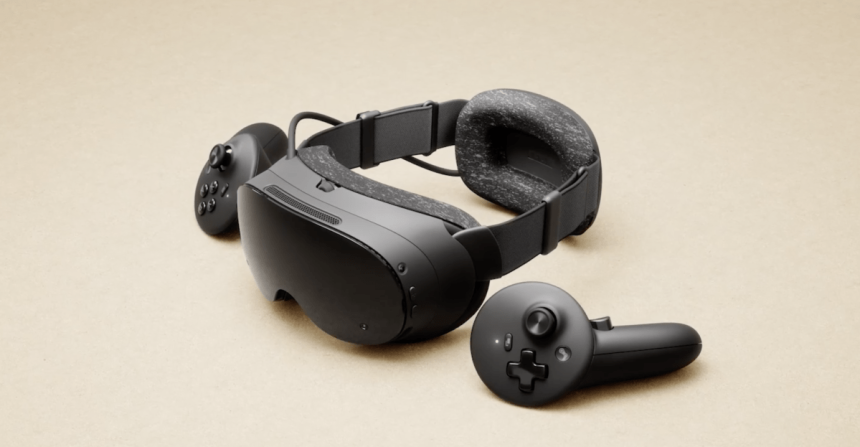
Valve’s highly anticipated virtual reality hardware, the Steam Frame, recently made an unexpected appearance online. A series of instructional videos detailing the unboxing experience, initial configuration, and peripheral compatibility surfaced briefly within the ARM-based Steam client. While these clips were retracted shortly after discovery, the Steam Hardware Updates account on X managed to capture the moment, providing the public with a rare glimpse into the device’s user journey.
Technical Specifications and Hardware Capabilities
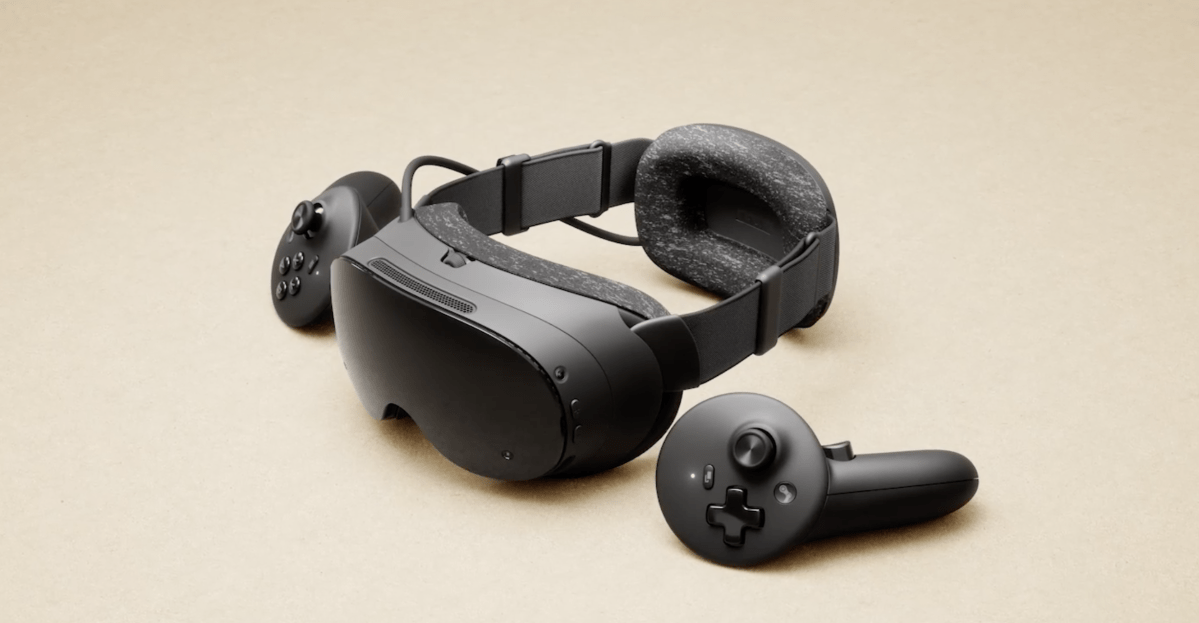
The Steam Frame represents Valve’s strategic push into the standalone VR market, functioning as both a tetherless streaming device for PC-based titles and a standalone unit for local gameplay. Since its initial unveiling, the industry has been eager to see how it stacks up against competitors like the Meta Quest 3.
Under the hood, the headset is powered by the robust Snapdragon 8 Gen 3 processor. Visual fidelity is handled by dual LCD panels, each boasting a crisp 2160 x 2160 resolution, complemented by a wide 110-degree field of view. This hardware configuration positions the Steam Frame to compete in a market where high-resolution optics are becoming the standard for immersive gaming.
Ergonomics and User-Centric Design
The leaked footage provides valuable insight into the physical ergonomics of the headset. One specific video highlights the inclusion of “pivot arms,” a design choice that allows users to fine-tune the headset’s angle and fit for optimal comfort during extended play sessions.
Valve has also prioritized accessibility for those who require corrective lenses. The setup guide demonstrates a straightforward process for inserting a spacer beneath the face gasket, ensuring that users who wear glasses can enjoy the VR experience without compromising comfort or risking damage to their eyewear. This attention to detail mirrors the user-friendly approach seen in modern wearable tech, where physical customization is just as critical as raw processing power.