



# The Unrivaled Magic of Rock Band: Why It Remains the Ultimate Social Gaming Milestone
For those of us who harbor a deep appreciation for music but lack the discipline to master a real guitar or the vocal range to command a stage, the mid-2000s felt like a cultural awakening. While my professional tenure at *Official Xbox Magazine* between 2002 and 2012 placed me at the epicenter of the Xbox 360 revolution, nothing captured the zeitgeist quite like the plastic-instrument craze.
As we approach the 25th anniversary of the Xbox platform, it is impossible to look back at that era without acknowledging that *Rock Band* wasn’t just a game-it was a social phenomenon that has yet to be replicated.
## From Solo Shredding to Full-Band Synergy
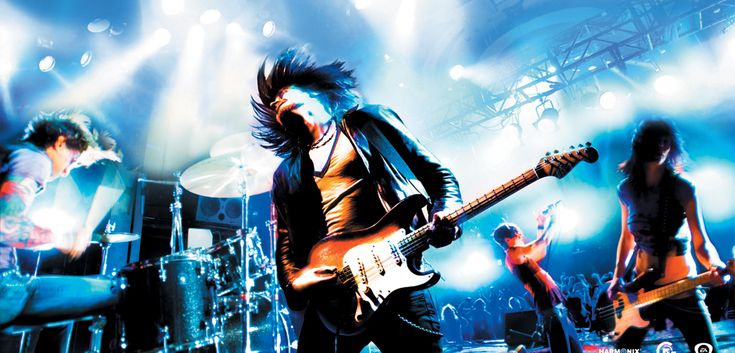
My obsession began with *Guitar Hero 2* on the Xbox 360 in 2007. It was a revelation, turning living rooms into makeshift concert halls. However, the landscape shifted dramatically when the original architects of the *Guitar Hero* franchise departed Activision. Partnering with MTV and EA, they launched *Rock Band*, a title that expanded the scope from a solitary guitar hero to a cohesive, four-person ensemble.
By adding drums and a microphone to the mix, the developers transformed a high-score chase into a collaborative performance. It was the first time a video game successfully gamified the concept of “being in a band.”
## The “Room of No Judgment”
What made *Rock Band* truly special was its atmosphere. It functioned as a “Room of No Judgment.” In a world where competitive gaming often leans into toxicity or high-stakes pressure, *Rock Band* prioritized collective success. Whether you were a seasoned musician or someone who had never touched a drum kit, the game’s intuitive interface allowed everyone to contribute to the song’s success.
This accessibility is why the game thrived. According to industry data from the peak of the rhythm game era, millions of households invested in these peripheral-heavy setups, proving that players were hungry for experiences that prioritized social bonding over individual dominance. Much like how *Mario Kart* brings friends together through chaotic competition, *Rock Band* brought them together through the shared pursuit of a perfect setlist.
## Why We Haven’t Seen Its Equal
Even years later, the physical satisfaction of hitting a drum fill or nailing a vocal harmony in *Rock Band* remains unmatched. While modern VR titles and rhythm games have attempted to capture this lightning in a bottle, they often lack the tactile, communal hardware that made the *Rock Band* era so tactile and memorable.
It wasn’t just about the software; it was about the plastic drums, the weighted guitar controllers, and the shared sweat of a living room performance. It remains, in my estimation, the most distinct and rewarding multiplayer experience in the history of the medium.