



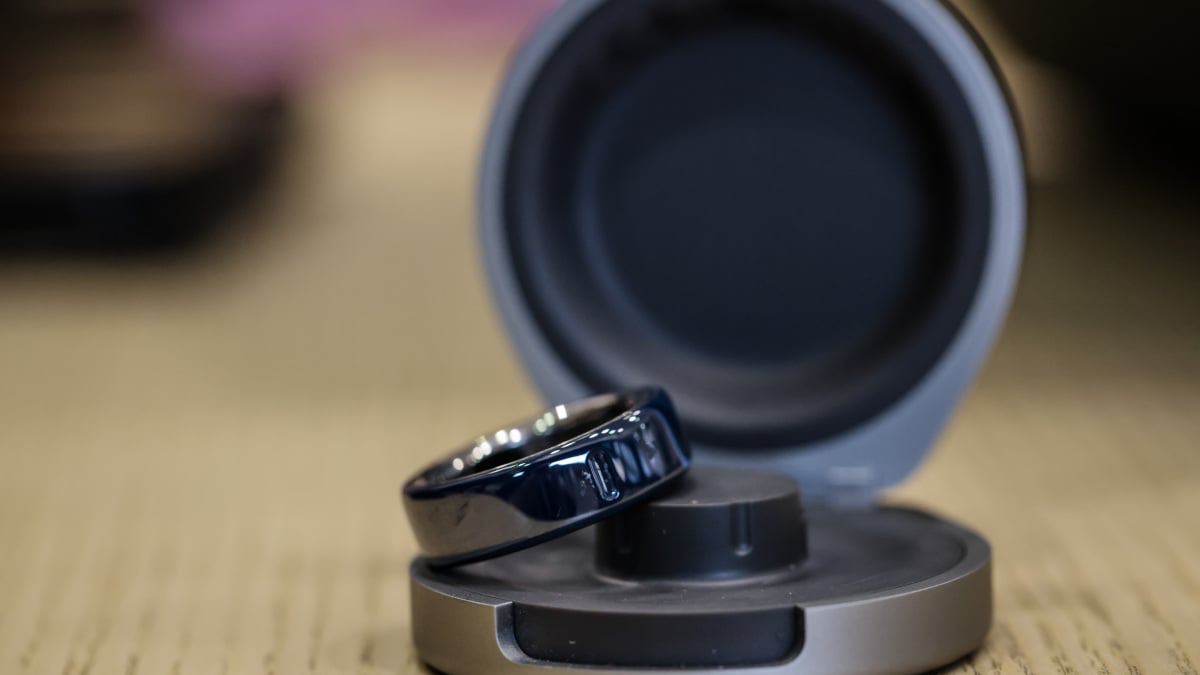

UPDATE: Aug. 23, 2026, 3:25 p.m. This article has been updated to incorporate an official response from Oura.
Legal Challenge Questions the Validity of Oura’s Sleep Metrics
A significant legal battle has emerged in the Northern District of California, where a class-action lawsuit is challenging the core functionality of the popular Oura Ring. The plaintiffs argue that the device’s marketing claims regarding its ability to monitor sleep are fundamentally misleading.
The Core Argument: Clinical Standards vs. Consumer Tech
The legal filing, submitted on August 20, highlights a technical discrepancy between medical-grade sleep diagnostics and wearable technology. According to the complaint, true sleep tracking requires polysomnography-a process that monitors brain waves (EEG), ocular movement (EOG), and muscle tension (EMG) via specialized sensors attached to the scalp, face, and chin.
Because the Oura Ring lacks these clinical-grade diagnostic capabilities, the lawsuit contends that it is physically incapable of accurately identifying specific sleep stages or providing a reliable analysis of a user’s rest cycles.
Is It Science or Statistical Estimation?
The litigation takes aim at the company’s reliance on proprietary algorithms. Rather than capturing direct physiological data related to sleep architecture, the lawsuit asserts that the device utilizes AI-driven predictive modeling. In essence, the plaintiffs argue that the ring is not “measuring” sleep in a clinical sense, but rather performing an educated estimation based on secondary metrics like heart rate variability and movement.
This debate mirrors broader industry concerns regarding the accuracy of consumer wearables. While devices like the Oura Ring have become staples for health enthusiasts, recent studies suggest that consumer-grade trackers often struggle to distinguish between light sleep and wakefulness compared to gold-standard clinical equipment. As the wearable market continues to grow-projected to reach a valuation of over $180 billion by 2028-scrutiny over the scientific validity of “wellness” data is expected to intensify.