





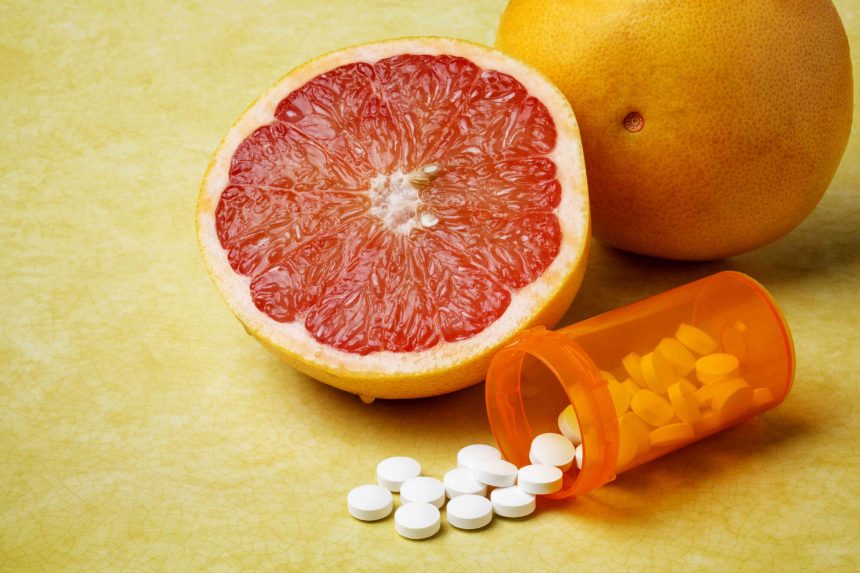
The Hidden Risks: Why Grapefruit and Medication Don’t Mix
While grapefruit is often celebrated as a nutrient-dense breakfast staple, it poses a significant, often overlooked danger for those taking prescription or over-the-counter medications. The interaction between this citrus fruit and various drugs can lead to unpredictable health outcomes, ranging from diminished therapeutic benefits to dangerous toxicity.
The Science Behind the Interaction
The primary culprit behind these adverse reactions is a group of chemical compounds known as furanocoumarins. These substances inhibit the production of an essential enzyme in your small intestine called CYP3A4.
Normally, your body relies on CYP3A4 to metabolize-or break down-a wide array of medications before they enter your bloodstream. When grapefruit blocks this enzyme, your system cannot process the drug as intended. According to research published by the FDA, this interference can cause the medication to linger in your body for too long or reach dangerously high concentrations in your blood, effectively creating an accidental overdose.
How Grapefruit Alters Drug Potency
The impact of grapefruit on your health regimen generally falls into two categories:
* Increased Toxicity: For many drugs, such as certain statins used to lower cholesterol (e.g., atorvastatin) or blood pressure medications, the inhibition of CYP3A4 leads to an accumulation of the drug. This can trigger severe side effects, such as muscle breakdown (rhabdomyolysis) or dangerously low blood pressure.
* Reduced Efficacy: Conversely, some medications-such as certain antihistamines like fexofenadine-require specific transporters to move from the gut into the bloodstream. Grapefruit compounds can block these transporters, preventing the drug from reaching the necessary levels to be effective, essentially rendering your treatment useless.
Common Medications at Risk
It is not just a niche group of drugs that are affected. Many common prescriptions interact with grapefruit, including:
* Statins: Used for cholesterol management.
* Immunosuppressants: Often prescribed to prevent organ transplant rejection.
* Anti-anxiety medications: Specifically certain benzodiazepines.
* Corticosteroids: Used to treat inflammatory conditions like Crohn’s disease or ulcerative colitis.
Practical Safety Measures
You do not necessarily need to banish grapefruit from your diet forever, but you must be strategic. Even a single glass of juice can inhibit the CYP3A4 enzyme for up to 24 hours, meaning that simply spacing out your medication and your fruit intake by a few hours is often insufficient.
If you are currently on a long-term medication regimen, consult your pharmacist or physician to determine if your specific prescription is sensitive to furanocoumarins. In many cases, they may suggest switching to a different medication or simply opting for a different fruit, such as oranges or apples, which do not share these specific chemical interactions.