





### The Judicial Tug-of-War: Why Prediction Markets Face an Uncertain Future
The legal landscape surrounding prediction markets has become a complex battlefield, with state and federal courts delivering a series of inconsistent rulings. As these platforms-which allow users to bet on the outcomes of real-world events-continue to expand, the judiciary is struggling to establish a unified regulatory framework. This ongoing friction suggests that the current patchwork of decisions is unsustainable, likely forcing the U.S. Supreme Court to eventually intervene to provide a definitive national standard.
#### A Fragmented Legal Landscape
Currently, the battle over prediction markets is characterized by a “split-decision” phenomenon. In some jurisdictions, judges have leaned toward viewing these platforms as innovative financial instruments that deserve protection under existing market regulations. Conversely, other courts have expressed deep skepticism, categorizing them as unregulated gambling operations that pose significant risks to election integrity and public discourse.
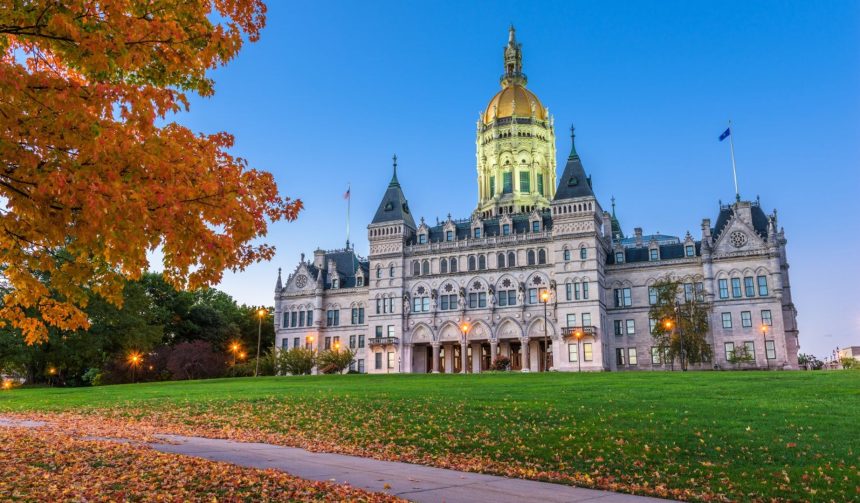
This lack of consensus creates a precarious environment for startups like Kalshi. For instance, recent legal challenges-such as the latest lawsuit filed by Connecticut authorities-highlight how state-level regulators are increasingly aggressive in their attempts to curb these markets. These localized efforts often clash with federal interpretations, leaving companies in a state of perpetual legal limbo.
#### The Escalating Stakes of Election Betting
The controversy is particularly acute regarding political prediction markets. While proponents argue that these platforms provide a more accurate “wisdom of the crowd” metric than traditional polling, critics contend they are susceptible to manipulation by wealthy actors.
To put the scale into perspective, recent data indicates that political betting volume has surged by over 300% in the last two years alone. This rapid growth has outpaced the ability of current legislation to adapt. Much like the early days of online sports betting, which required years of litigation before reaching a state-by-state regulatory equilibrium, prediction markets are currently in a “wild west” phase. Without a clear mandate from the highest court, the industry remains vulnerable to sudden shutdowns or restrictive state-level bans that could stifle innovation.
#### Why Supreme Court Intervention Is Inevitable
The current judicial inconsistency is not merely a temporary hurdle; it is a structural problem. When federal courts in different circuits reach opposing conclusions on the same fundamental question-whether prediction markets constitute “gaming” or “financial trading”-the Supreme Court is typically compelled to step in to resolve the conflict.
As the legal pressure mounts and more states join the fray, the industry is bracing for a landmark case that will likely define the future of event-based trading in the United States. Until that happens, stakeholders should expect continued volatility in both the courtroom and the marketplace.