




The Silent Crisis: Why Gen Z’s Love for Live Music is Costing Them Their Hearing
A concerning trend has emerged among younger concert-goers: the soundtrack of their nightlife is increasingly accompanied by the persistent, high-pitched whine of tinnitus. Recent data indicates that over 80% of Gen Z music enthusiasts are walking away from live events with noticeable auditory distress, signaling a growing public health concern.
### The Scale of the Problem
A collaborative study conducted by the Royal National Institute for Deaf People (RNID) and Censuswide surveyed 2,000 young adults aged 20 to 29. The findings are stark: 83% of participants reported suffering from ringing, buzzing or muffled hearing following a night out.
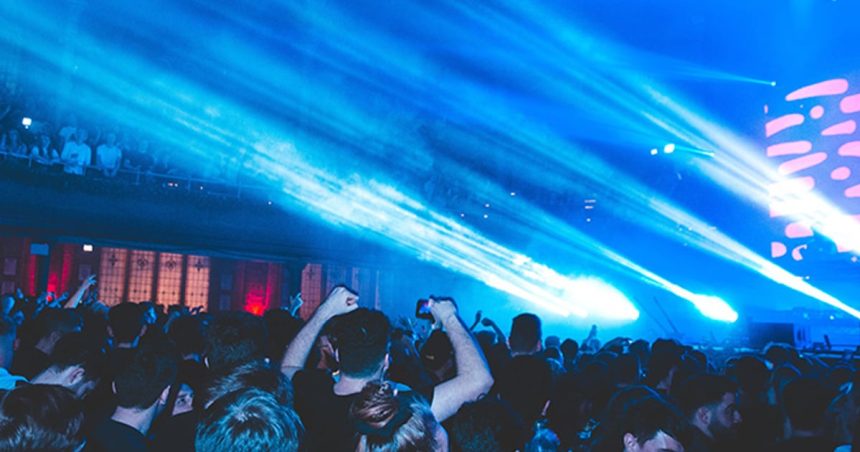
This isn’t just an occasional occurrence; it is a lifestyle habit. Nearly 30% of those surveyed frequent high-decibel music venues on a weekly basis, while over half attend such events at least once a month. Despite the frequency of exposure, the adoption of protective measures remains alarmingly low.
### The Stigma of Protection
While the risk of permanent damage is well-documented, the culture surrounding live music often discourages safety. Only 7% of respondents consistently utilize earplugs. Even more telling is the social barrier: 35% of attendees admit they rarely or never wear hearing protection, with many citing social anxiety or embarrassment as the primary reason for avoiding earplugs in a club or concert setting.
Furthermore, there is a significant knowledge gap regarding auditory health. Roughly 23% of the young adults surveyed-all of whom currently possess healthy hearing-expressed a belief that they simply do not require ear protection, regardless of the volume levels at the venues they frequent.
### Expert Warnings and Long-Term Risks
Franki Oliver of the RNID emphasizes that this data serves as a wake-up call regarding the cumulative impact of noise exposure. “Our new research highlights just how often young people could be exposing their ears to dangerously loud music,” Oliver notes.
To put this into perspective, most concert venues operate at decibel levels between 100 and 115 dB. At these levels, irreversible damage to the hair cells in the inner ear can occur in as little as 15 minutes without protection. Unlike a broken bone, this type of damage is permanent, often leading to long-term tinnitus or noise-induced hearing loss that can manifest later in life.
### Taking Control of Your Auditory Health
If you are a regular at festivals or clubs, it is time to rethink your approach to sound. Protecting your ears doesn’t mean sacrificing the quality of the music; modern high-fidelity earplugs are designed to lower the volume while maintaining sound clarity.
For those already experiencing symptoms, it is vital to seek guidance. You can explore 9 ways to make living with tinnitus easier to manage your symptoms and prevent further degradation.
For those looking to support the scene while staying stylish, you can check out the collection at mixmag.shop.

For more details on this study and its implications, you can read the full report.