




Evaluating the Sony BRAVIA 9 II: A New Benchmark for LED Displays
The evolution of television technology throughout the 2000s has been defined by a relentless pursuit of superior contrast. LCD panels have spent decades competing against the deep blacks and self-emissive brilliance of OLED, as well as the legacy of CRT and plasma displays. For years, LCDs functioned like a high-tech plant-based alternative-striving to replicate the rich, authentic “meat” of emissive display performance through clever backlighting tricks.
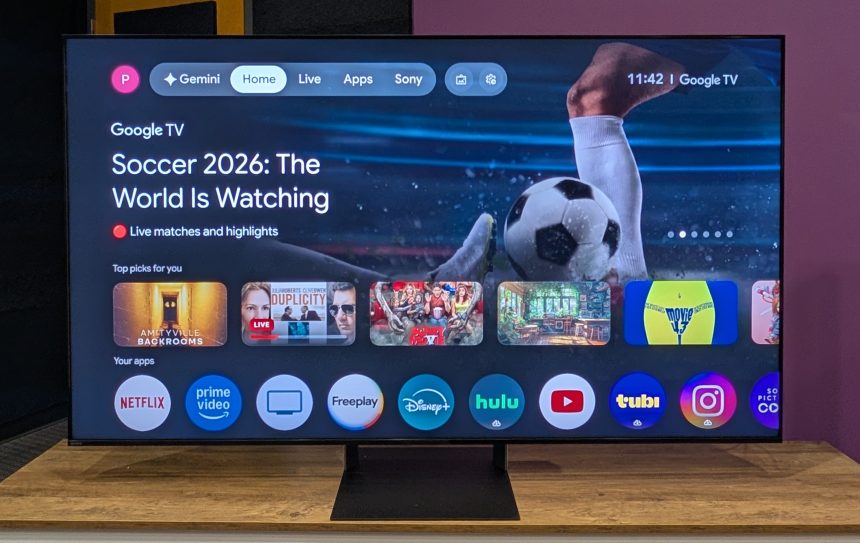
With the introduction of the Sony BRAVIA 9 II, that gap has narrowed significantly. By leveraging advanced RGB LED backlighting, this model stands as the most sophisticated iteration of LCD technology we have seen to date, effectively challenging the dominance of emissive panels in high-end home cinema.
Performance Highlights and Trade-offs
Before diving into the technical specifications, it is important to weigh the practical realities of this display:
- The Advantages: The BRAVIA 9 II delivers industry-leading color volume and saturation. It currently represents the pinnacle of RGB LED engineering, offering a level of precision that makes it a standout in the current market.
- The Drawbacks: Despite its technical prowess, the premium pricing remains a hurdle. It commands a higher investment than many comparable OLED alternatives, which may influence budget-conscious enthusiasts.
Why the BRAVIA 9 II Matters
Recent market data suggests that while OLED continues to capture the enthusiast market, high-brightness LED models are seeing a resurgence, particularly for bright-room viewing. The BRAVIA 9 II excels here, providing a level of luminance that OLEDs often struggle to maintain without risking image retention. By refining the local dimming algorithms and color accuracy, Sony has created a display that feels less like a compromise and more like a definitive choice for those who prioritize peak brightness and color fidelity over the absolute black levels of emissive tech.