





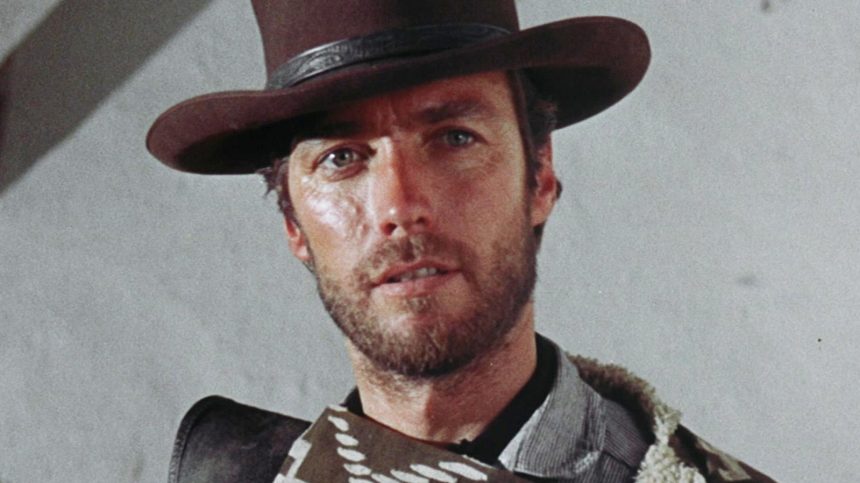
The Forgotten Western Role That Preceded Clint Eastwood’s Rise to Stardom
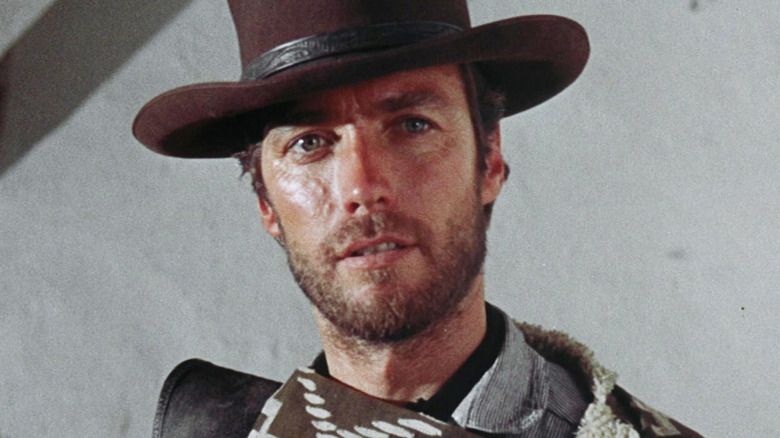
Image Credit: United Artists
From Universal Bit Player to Western Icon
Long before he became the quintessential face of the American Western, Clint Eastwood was a struggling contract player navigating the rigid studio system of the 1950s. During his early tenure at Universal, he was frequently relegated to minor, uncredited roles. Under the guidance of directors like Jack Arnold and Arthur Lubin-the latter of whom acted as a mentor and informal manager-Eastwood began honing the stoic screen presence that would eventually define his career.
While film historians often focus on his transition to the “Man with No Name” persona, his television resume offers a fascinating glimpse into his formative years. Specifically, Eastwood made a notable appearance on Death Valley Days, a production that holds the distinction of being the inaugural Western anthology series in television history.
The Origins of a Television Pioneer
Death Valley Days was far more than a standard episodic drama; it was a masterclass in early corporate-sponsored media. The series was bankrolled by the Pacific Coast Borax Company, serving as a clever marketing vehicle for their household cleaning supplies, including laundry detergents and soaps. The show’s thematic focus on the American frontier was a strategic choice, as the company harvested borax-a vital mineral ingredient-directly from the harsh, arid landscapes of California’s Death Valley.
This unique synergy between commerce and storytelling helped the show maintain a remarkable longevity. According to historical broadcast data, the series ran for an impressive 20 years, spanning from 1952 to 1972, and produced over 450 episodes. It remains a significant case study in how brand-funded content can achieve critical acclaim, often cited as one of the best anthology TV series ever made.
Why This Early Role Matters
Eastwood’s participation in this series serves as a bridge between the traditional, moralistic Westerns of the early 50s and the gritty, anti-hero archetypes he would later perfect in Sergio Leone’s “Dollars” trilogy. By appearing in an anthology format, Eastwood was forced to adapt to different character archetypes in every episode, a rigorous training ground that allowed him to experiment with the rugged, laconic style that would eventually make him a global superstar.