

![[EVENT REVIEW] Niteharts’ Triumphant Second Year in San Diego](https://www.mixtv1.com/wp-content/uploads/2026/10/44812-attachment.jpg)


NBC
The Creative Force Behind Television’s Frontier Epics
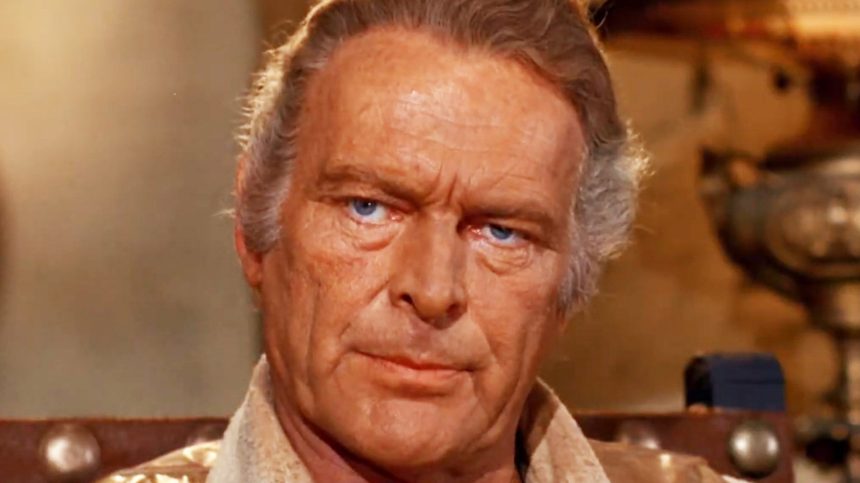
While many showrunners might have retired after striking gold with a cultural phenomenon, David Dortort chose a different path. Having cemented his legacy as the architect of Bonanza-a titan of the genre that spanned 431 episodes and 14 seasons from 1959 to 1972-Dortort opted to step away from his flagship series during its eighth season. His ambition was not to coast on past triumphs, but to break new ground with a gritty, ambitious project: The High Chaparral.
From Silver Screen Scripts to Small Screen Success
Dortort’s mastery of the Western genre was not an overnight development; it was forged through years of meticulous screenwriting. During the 1950s, he penned scripts for cinematic features such as Reprisal! (1956) and The Big Land (1957). His transition into television production was equally significant, particularly his work on The Restless Gun. This series, which featured John Payne as a wandering marksman, served as a vital training ground for Dortort. His ability to balance character-driven narratives with the high-stakes tension of the frontier caught the attention of NBC executive Alan Livingston, who tapped him to develop a pilot that would eventually evolve into the legendary Bonanza.
Redefining the Western Landscape
By the time Dortort launched The High Chaparral, he had already mastered the formula for classic Western TV shows. However, he sought to evolve the genre beyond the standard tropes. While Bonanza focused on the internal dynamics of the Cartwright family, The High Chaparral-set against the backdrop of the 1860s Arizona Territory-offered a more complex exploration of cultural clashes and the harsh realities of homesteading. It remains a testament to Dortort’s vision that he could pivot from the most successful Western in history to a series that, while often considered underrated, provided a more nuanced look at the American frontier.