




The Practical Limits of Automotive Design: Why the Cybertruck Won’t Reach Down Under
True utility is defined by how seamlessly a vehicle integrates into the existing infrastructure of our daily lives-navigating tight parking structures, adhering to local traffic regulations, and fitting comfortably within standard lane widths. When a vehicle’s physical footprint is so unconventional that it necessitates a complete overhaul of national road laws and urban planning, the laws of physics and bureaucracy almost always prevail.
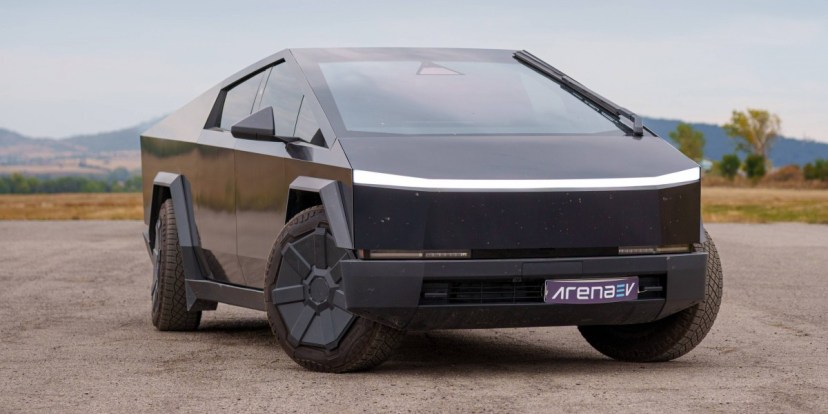
This fundamental clash between ambitious design and real-world constraints has officially reached a breaking point for Tesla. The automaker has confirmed that it is abandoning plans to bring the Cybertruck to the Australian and New Zealand markets.
### A Quiet End to a Long-Standing Reservation
For thousands of enthusiasts who placed refundable deposits of A$150 as far back as 2019, the dream of owning the angular electric pickup has come to an abrupt end. The notification arrived via a standard customer service communication, signaling that the logistical and regulatory hurdles were simply too high to clear.
To mitigate the disappointment, Tesla is offering a full refund of the initial deposit, processed within a 30-day window. Furthermore, the company is attempting to pivot these prospective buyers toward their more conventional lineup. Customers who opt to purchase a Model 3 or Model Y instead are being offered a complimentary one-year subscription to Tesla’s supervised driver-assist software-a perk valued at approximately A$1,788.
### Why Global Expansion Stalled
The Cybertruck’s struggle to gain international approval is largely due to its unique construction. Unlike traditional pickups, the vehicle’s stainless-steel exoskeleton and unconventional front-end geometry present significant challenges regarding pedestrian safety standards in many jurisdictions.
While the U.S. market operates under a specific set of self-certification rules, regions like Australia and the EU maintain stringent requirements regarding external protrusions and impact absorption. With the vehicle already facing production complexities, Tesla has clearly decided that re-engineering the platform to meet these diverse international safety mandates is not a viable path forward. This decision mirrors the challenges faced by other oversized, non-traditional vehicles attempting to enter markets designed for more compact, standardized automotive footprints.