




The Verdict is In: Is ‘Coyote vs. Acme’ Worth the Cinematic Struggle?
by Alex Billington
August 28, 2026

The dust has finally settled, the courtroom doors have swung open, and Coyote vs. Acme is officially playing in cinemas globally. Now that the public has had a chance to weigh in, we want to hear your take. Was the chaotic journey to the big screen reflected in the final product, or did the film manage to transcend its turbulent production history?
A Victory for Film Preservation
For a long time, it seemed this project was destined for the digital void. Warner Bros. famously moved to delete the film entirely as a tax write-off-a move that sparked massive backlash from creators and fans alike. The industry was stunned by the prospect of a finished movie being erased from existence. Fortunately, the tide turned when Ketchup Entertainment stepped in to rescue the project, ensuring that the hard work of the cast and crew wouldn’t be lost to corporate ledger balancing.
From Legal Limbo to the Big Screen
The road to release was arguably as complex as the plot itself. Following years of development, intense legal maneuvering, and an additional year dedicated to polishing the post-production and finalizing the marketing campaign, the film has finally arrived.
In an era where streaming services often prioritize quantity over quality, the survival of Coyote vs. Acme serves as a case study for the importance of artistic preservation. Much like the recent industry trend of “fan-led” distribution, this release proves that audience demand can occasionally force the hand of major studios.
The Premise: A Legal Battle for the Ages
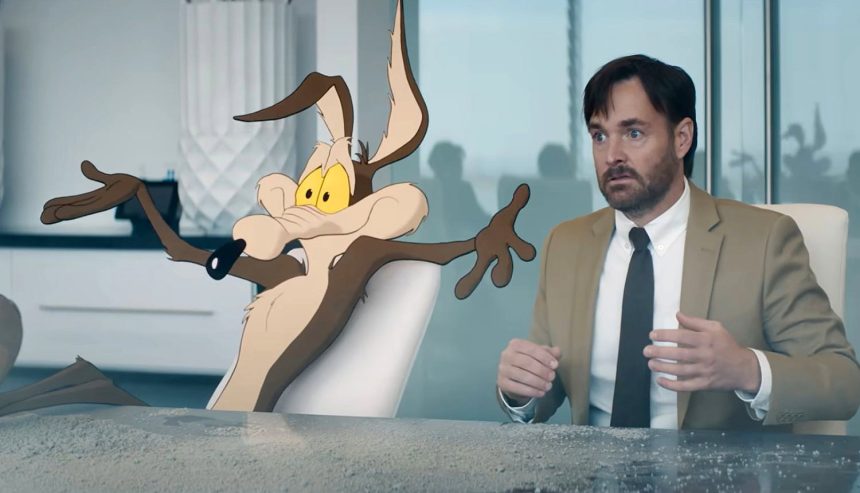
Directed by Dave Green, the film leans into a high-concept premise: Wile E. Coyote finally reaches his breaking point. Tired of the Acme Corporation’s consistently faulty, hazardous, and downright dangerous gadgets, the iconic predator decides to take his grievances to court. He enlists the help of Kevin Avery, a down-on-his-luck, small-town billboard attorney, to take on the corporate giant.
It’s a meta-commentary on the nature of cartoons, blending slapstick humor with a courtroom drama aesthetic. But does the execution match the ambition? Did the extra time in the oven result in a polished gem, or does the film show the scars of its troubled development?
We want to know your thoughts:
* Did the film live up to the massive hype generated by its near-cancellation?
* How did you feel about the blend of live-action and animation?
* Was the legal satire sharp enough to satisfy, or did it lean too heavily on nostalgia?
Sound off in the comments below and let us know if this was a triumph of cinema or a case that should have stayed closed.