




Meta’s Strategic Pivot: The Emergence of Project Eclipse
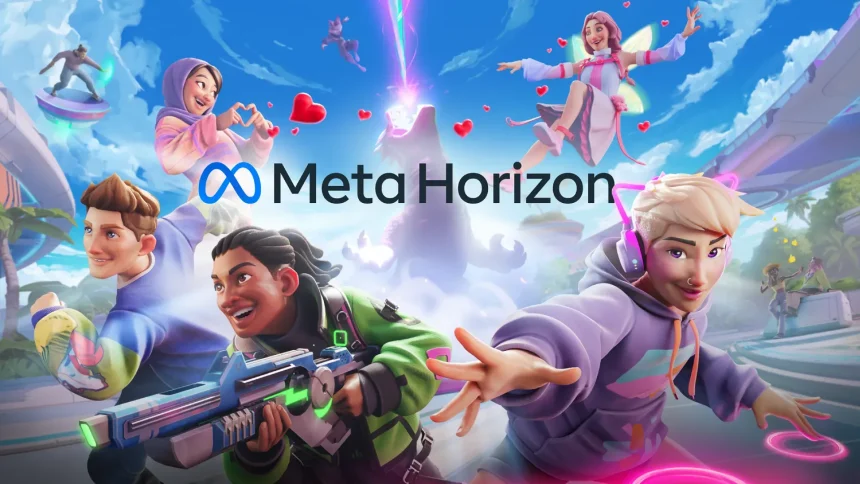
Recent technical discoveries within the Meta Horizon mobile application indicate that the company is actively working to decouple its gaming-centric metaverse platform from its primary mobile ecosystem. Evidence points toward a standalone application currently operating under the internal codename “Eclipse.”
This development was brought to light by dataminer and programmer Nori, who identified specific assets and references to the Eclipse project while analyzing the August 2026 software builds. This move suggests a broader effort to streamline the user experience by isolating the gaming components of Horizon Worlds into a dedicated, independent interface.
A History of Shifting Priorities
The trajectory of Horizon Worlds has been marked by significant volatility over the past year. Following extensive restructuring and workforce reductions within the Reality Labs division, Meta signaled a major change in its long-term roadmap.
The company initially announced a plan to “explicitly separate” Horizon Worlds from the Quest ecosystem, prioritizing third-party software over its own internal social VR platform. This pivot was accompanied by a controversial announcement to remove Horizon Worlds from VR hardware entirely, effectively transitioning the platform to a mobile-first model.
However, the strategy remains fluid. Shortly after the initial announcement, Meta partially walked back these changes, confirming that while the Horizon Engine-based experiences would be phased out on VR headsets, support for existing titles would persist for the time being.
What “Eclipse” Means for the Future of Horizon
By spinning off Horizon Worlds into the Eclipse app, Meta appears to be mirroring the strategy of successful gaming platforms like Roblox or Epic Games’ Fortnite, which thrive by maintaining a distinct identity separate from the hardware used to access them. As the mobile gaming market continues to grow-with global mobile gaming revenue projected to exceed $100 billion annually-Meta’s focus on a standalone mobile app could be a calculated attempt to capture a broader, non-VR audience that is less tethered to headset ownership.